
Everything You Need to Know About the 4 Move Checkmate
If there is one thing that could cause your rise or fall as a new chess player, it is the tricky 4 move checkmate. However, if you can understand everything about the 4 move checkmate, you really are ready to improve at chess. Once you handle the fast and reckless attacks of your opponents, you will be in a better position, and your opponents will be unsure of how to continue. Four moves may not seem like enough time to do anything on the chessboard, but if you aren’t careful, it could result in a quick loss.

The Pieces Involved
The main pillars of the 4 move checkmate are the Queen, the Bishop, and the f7 pawn. The queen and the bishop are going to work together to target the naturally weak f7 pawn quickly. In order to understand the 4 move checkmate, you need to remember what makes something checkmate. Most that lose to this fast attack simply haven’t learned yet to be on the lookout for this kind of checkmating attack. Once you understand checkmate, you can understand how to avoid the 4 move checkmate.
Checkmate Review
Checkmate is when the king is in danger and cannot escape. One classic kind of checkmate is the Queen-and-Helper checkmate. If you can understand this position, and why it is checkmate, then you will understand the 4 move checkmate. Take a look at the example below to see a simple version of that kind of checkmate.
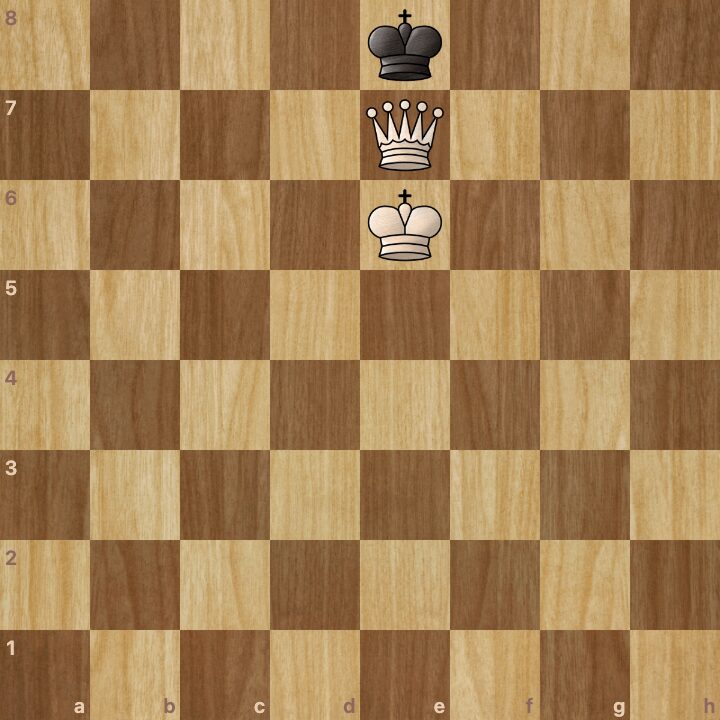
Here, the queen attacks the king, and the king cannot capture her because a piece is helping her. In this case, that piece is another king. But in the case of the 4-move checkmate, that piece is going to be that helpful bishop!

The Broadbent Series Chess Pieces - 3.0" King

Fitted Briefcase Chess Box - Mahogany

DOWNLOAD - Chess King Learn Beginners 6 - Forever Pack All Platforms
The Fool’s Mate Final Position
Here is the final position for the 4 move checkmate, also known as the fool’s mate. Notice how the bishop is defending the queen, who just captured the f7 pawn. There are a few other variations of this attack, but the key factors are that the queen and bishop are attacking that f7 square. In order to reach this position, a few things need to happen. First, the queen and bishop need to move into position. That means starting with pawn to e4 so that those pieces can quickly join the attack. The notation goes as follows: 1. e4 e5, 2. Qh5 Nc6, 3. Bc4 Nf6?? 4.Qxf7#
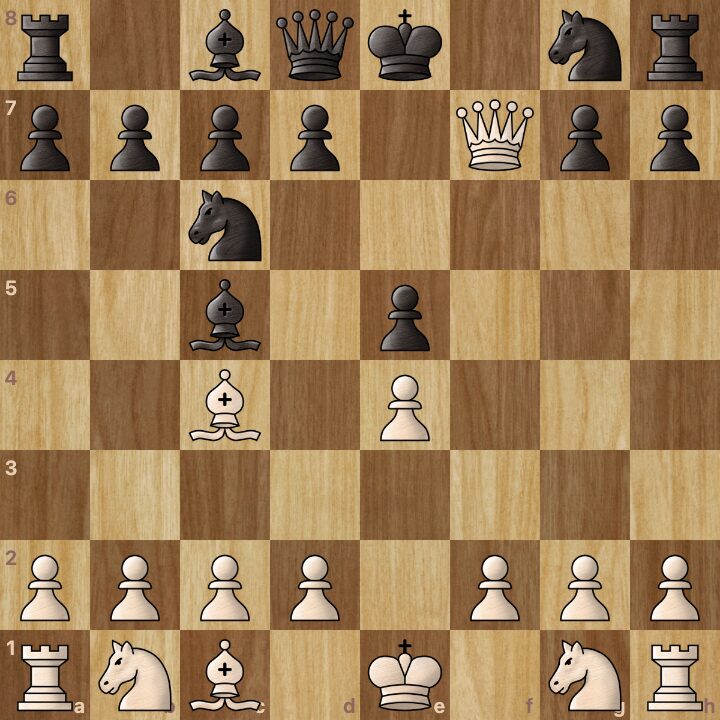
The move order of the queen and the bishop can be slightly different, but the attack is still on the f7 pawn as quickly as possible. Black can’t capture the queen, because the bishop defends. This attack is easy to avoid, but only if you understand what is happening! No matter your chess rating, it is important to learn the best response to the 4 move checkmate.
The Queen Joins the Attack
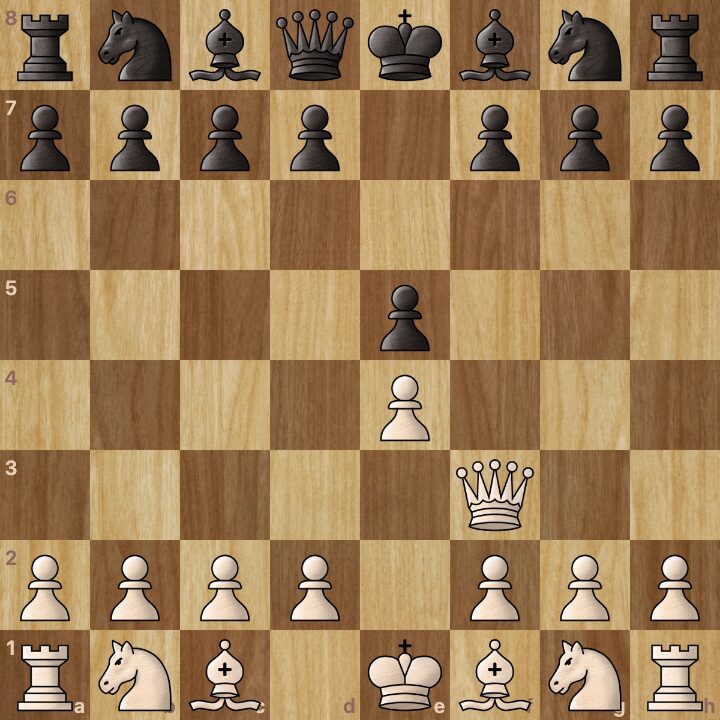
An early queen move can be risky. It neglects other developing moves, and goes to a square that would like to be occupied by the knight. It really isn’t a smart move to make and it goes against many commonly taught opening ideas. So why play this move? The truth is, you play this move because you hope to checkmate your opponent in four moves, otherwise it is not a particularly sound chess move.
The Knight Move
Black will usually play a knight move in this position. Most commonly Nc6. This is a natural move that many players will play. Nf6 is also possible, however, and throws a wrench into whites plans rather quickly.

The Collector Series Luxury Chess Pieces - 4.0" King

The Camaratta Signature Master Chess Table

LIMITED EDITION - DGT 3000 Digital Chess Clock
Bishop Joining the Attack
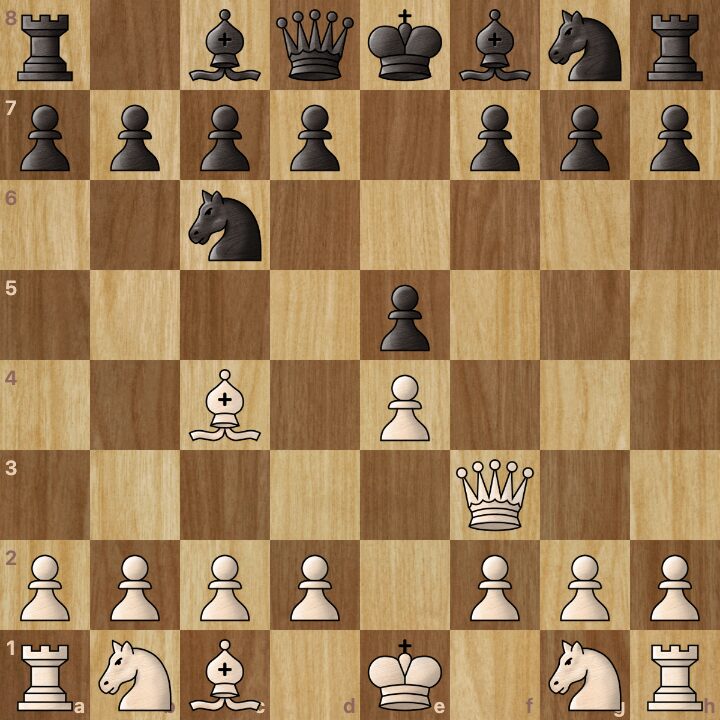
Now the Bishop moves in and becomes the helper for the queen. One reason this attack is so successful is that if black now copies white, and brings out their bishop, then the game will be over! There are a few other moves that black can play here. They could move their queen to f6, for instance. Thus, stopping the quick attack and offering up a queen trade.
Why So Successful?
The main reason the 4-move checkmate is so successful is that it showcases a basic understanding of checkmate that many beginner players may not have. If one player understands checkmate and the other is just playing moves, it is very likely that the 4-move checkmate will succeed.
Should You Play It?
It can be a fun, quick attack, but is it smart to play? I think that ultimately, the 4 move checkmate is not showcasing a good opening strategy. Bringing out the queen that early, especially if your opponent knows how to handle the attack, can leave you in a dangerous position where your pieces are out of place, and you have wasted valuable tempo. Instead, focus on developing your pieces and getting your King castled.

The Harrwitz Series Timeless Chess Pieces- 3.5" King

Super Deluxe Tournament Director Kit

Large Wedge Chess Clock Carrying Bag
Avoiding the 4 Move Checkmate
What do you do if you start getting attacked with the 4 Move Checkmate? One tricky variation of the 4 move check mate happens when your opponent brings their queen out to h5. That line could look something like this: 1. e4 e5, 2. Bc4 Nc6, 3.Qh5 Nf6?? 4.Qxf7#
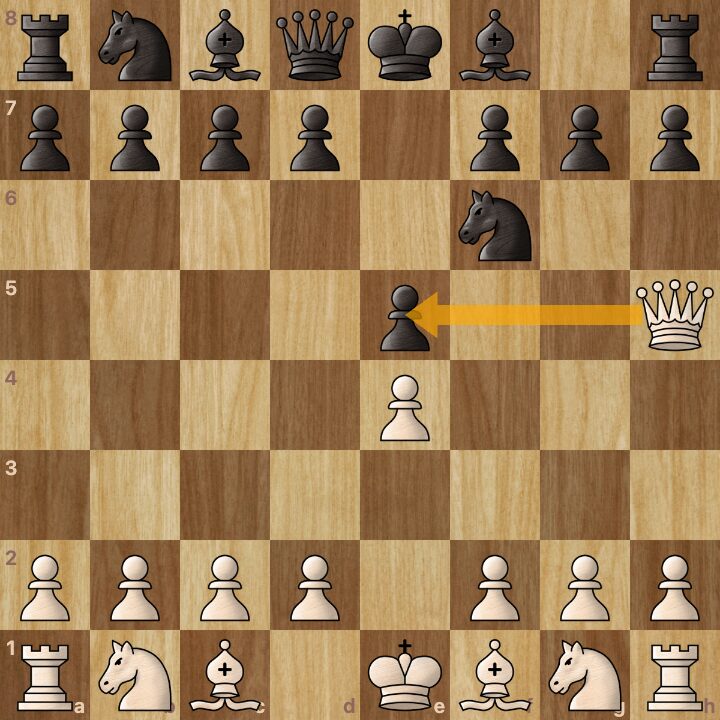
This variation is tricky because the move Nf6 is a more natural feeling move as it attacks the queen. It can also be dangerous because if 1. e4 e5, 2. Qh5 Nf6?? were to be played, then white could take the e5 pawn with check!
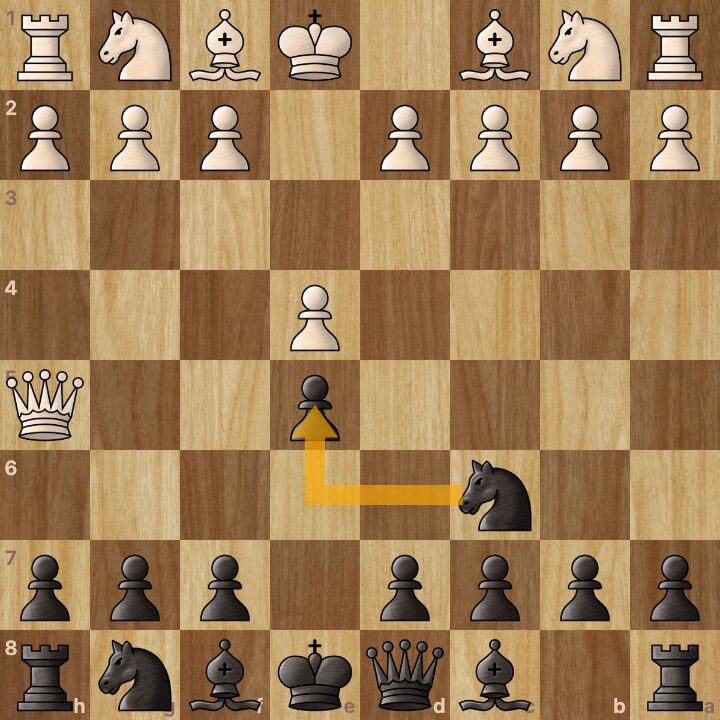
So if you are playing against the move 2.Qh5, put your knight on c3 first, then after the bishop comes out to attack, you can play g6 to attack the queen and block its attack on the f7 square.

Be careful, though. They may play Qf3, and they still have a checkmate threat! From there, you can play Nf6 safely. Then your opponent has wasted quite a bit of tempo, and you should have a strong position. I would say this variation is the most important to know how to combat, because it has the trickiest variations with the easiest traps to fall into as you defend against the attack. I recommend opening up an analysis board on Lichess.org, and putting 1. e4 e5, 2. Qh5 on the board, and look through the lines for black and how to best defend from there; those are the trickiest lines. Remember to be careful when developing and attacking the queen with Nf6, since they may have a check that you overlooked.