
The Extra Queens Rule: Why Tournament Sets Must Include 34 Pieces Instead of 32
Tournament chess sets come in quite the range. From practical plastic pieces and green vinyl to luxury wooden sets, the options seem endless. Yet, you've probably noticed a pattern: virtually all available sets come with two extra queens, one for each color. So, why do chess sets have extra queens?

In short, having an extra queen handy makes practical sense when you're under pressure to queen a pawn in a timed tournament game. FIDE's laws of chess and US Chess Federation guidelines don't mandate an extra queen in standard tournament sets. However, they have several other rules and procedures for promoting a pawn that justify keeping an extra queen nearby. Let's look at FIDE and USCF's rules on pawn promotion in tournament play.
Why Chess Sets Have Extra Queens
When a pawn reaches the eighth rank, it becomes a piece of your choosing (except for another pawn or a king). Chess sets have a spare queen of each color. This is because it's common that a player may promote to a queen while already having one in play.
You'll notice that just about every tournament set comes with an extra queen for each color. Yet surprisingly, no formal standard from the US Chess Federation or FIDE requires players to have a 34-piece chess set. Technically, a board meets tournament standards with just the essential 32 pieces.
The US Chess Federation and FIDE do, however, have many rules and regulations that dictate proper form for pawn promotion. Having an extra queen supports a smoother experience when two players are otherwise in the throes of a fierce battle on the board!

The *NEW* Austrian Coffeehouse Series Chess Pieces - 4.0" King

DGT 3000 Digital Chess Clock

The Camaratta Signature Championship Chess Table - Dark Brown
Basic Rules of Pawn Promotion
Both the US Chess Federation's Official Rules of Chess and FIDE's Laws of Chess outline the rules and procedures for pawn promotion. When a pawn reaches the eighth rank, it must immediately change into a new piece. It can become a queen, or a rook, bishop, or knight of the same color, a move called underpromotion.
The pawn immediately takes on the effects of that new piece on the board. For example, it may give a check or block a check. In certain situations, the potential to promote a pawn may even come with a checkmate threat.
Touch move functions a bit differently for pawn promotion. If the player lets go of the pawn on the eighth rank, they no longer have the right to play the pawn to another square.
A player locks in their promotion choice when the new piece touches the promotion square. So, touching or grabbing the piece off the board does not count as a touch move.
Underpromotion: When Queening a Pawn Is Not the Best Move
The queen is the most versatile chess piece, and the most valuable after the king. So in most situations, promoting a pawn to a queen is the obvious choice. However, sometimes queening a pawn is worse than promoting it to something else.
In some scenarios, promoting to a bishop, rook, or knight is the better choice. This is called underpromotion.
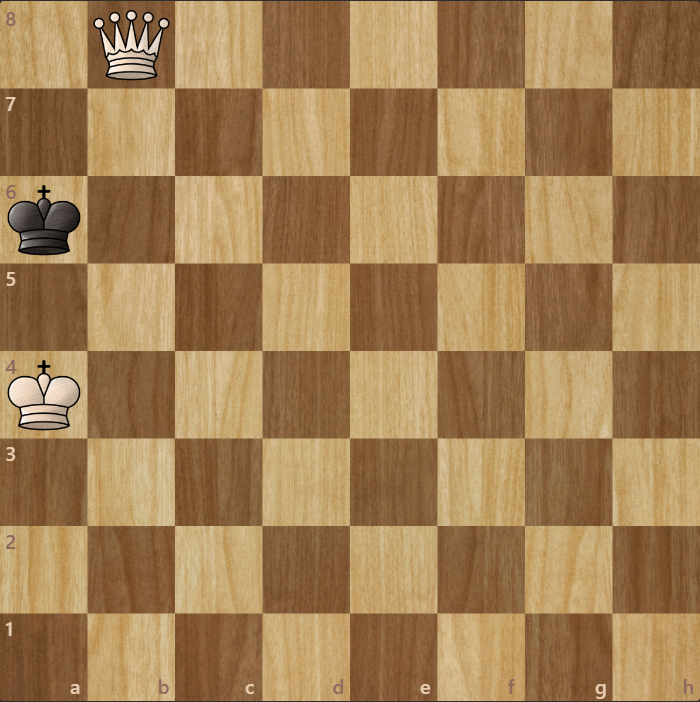
Underpromotion makes sense, for instance, when promoting to a queen could lead to a stalemate. This is when a player has no legal moves available on their turn. Here's a situation where promoting to a rook would have been an act of stalemate avoidance:
In other situations, promoting to a knight might be the only way a player can deliver a critically timed tactical fork, check, or even checkmate on their turn. Here's an example of when promoting to a knight comes with a powerful tactic:
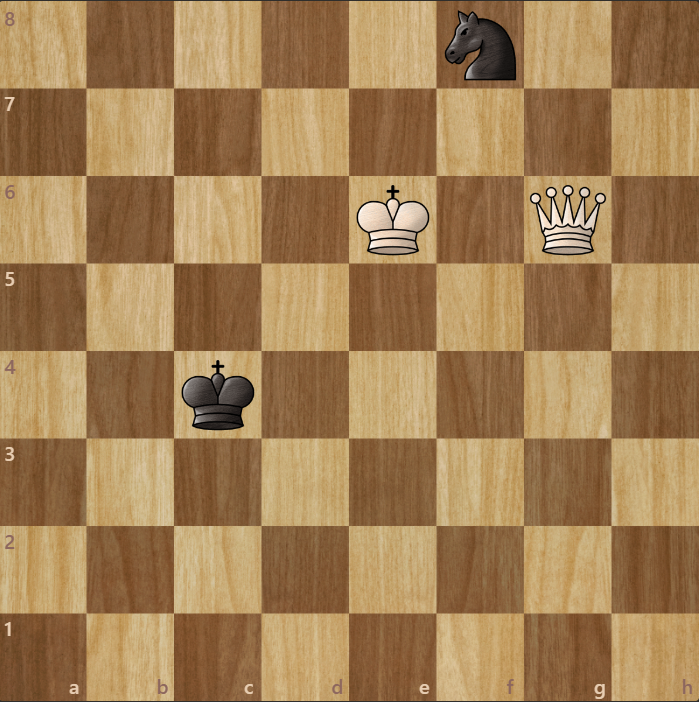
As you can see, don't overlook underpromotion as a legitimate option in a chess game. But in over-the-board play, especially at tournaments, you might feel limited by your choices because you don't have the extra piece within reach. FIDE and USCF have rules for that situation, too.

The Camaratta Collection - The Botvinnik Flohr Series Chess Pieces - 4.0" King

Leap Digital Classic Chess Clock

US Chess Premium Chess Box
Pawn Promotion When You Don't Have an Extra Queen (or Other Piece) Available
What happens if you don't have an extra piece, such as a spare queen, or a third knight, rook, or bishop, readily available in a rated tournament?
In general, you must pause the clock for both players and try to locate the piece yourself. If players can't do this quickly, they can ask a tournament director or arbiter for help.
You might have seen a player use an upside-down rook as a queen. Is this legal in a tournament setting? USCF and FIDE have different rules regarding whether the upside-down rook can legally count as a queen. USCF guidelines say that, unless a player explicitly says otherwise, an upside-down rook can be used to represent a queen in a tournament game.
FIDE's rules don't say this. Under their rules, when a player needs extra equipment for promotion in a rated game, they should call an arbiter to locate the piece. The chosen piece is finalized once a player lets go of a piece on the promotion square. The wording implies that in FIDE, an upside-down rook is still a rook.
Regardless, if you're unsure what to do when you don't have the physical material to promote to your desired piece, seek arbiter assistance. Events may have their own rules for handling this situation, and you shouldn't assume anything if you're not certain.
Tournament Practices: Chess Clock Management
In the scramble to promote a pawn, it's easy to overlook the order of operations on when to hit the chess clock, or when to pause it and seek help from an arbiter. Here are a few things to keep in mind when it comes to chess clock management.
When a player promotes a piece, they must do so on their own clock time. This means a player must move the pawn to the eighth rank and position the new piece on the board while their clock is running. If they touch their clock before completing promotion, the opponent can restart the player's clock without moving.

The Modern Series Chess Pieces - 3.75" King

DGT Pegasus Chess Board (e-Board) - Wireless Bluetooth with USB Charger

Bobby Fischer Teaches Chess
Clocks with a move counter may need readjustment to account for this action. For instance, when clocks are correctly set for sudden death time controls, an opponent restarting the player's clock will cause the second time control to activate before the player has reached the correct number of moves.
If you're concerned about your clock's move counter and think it may influence your game if left unaddressed, seek arbiter assistance!
FIDE and USCF Tournament Extra Queens Requirement
FIDE and USCF are quite clear about what counts as a standard chess set. While neither body explicitly requires an extra queen in a tournament set, both have many other detailed guidelines that regulate different features. For instance, FIDE outlines updated technical specifications and rules for chess equipment, including the board, chess clock, and pieces. Among many other rules, FIDE says that tournament chess pieces must be:
- made from wood, plastic, or materials that closely resemble them.
- distinguishable even to colour blind individuals.
- Staunton-style and fit certain proportional standards.

The Guardian Series Chess Pieces - 3.75" King

Premium Chess Box - Mahogany

Chronos GX Clock Carrying Bag
There are even more stylistic designs and rules for standard Staunton chess sets, down to the requirement that the knight resemble a horse's head and mane. But none of those rules mention that chess sets must include extra queens.
There's no formal "tournament extra queens requirement." Yet somehow, a tournament chess set doesn't feel complete with just 32 pieces.