
What Is A Stalemate In Chess
Stalemate. Sometimes dreaded, other times sought after. It can be the miracle that saves your lost position, or the horror that snatches a win away from you. Either way, you must fully understand this rule of chess if you are going to make it work for you, and not against you. What even is stalemate, and how can you use it to your advantage?

What Is a Stalemate, Anyway?
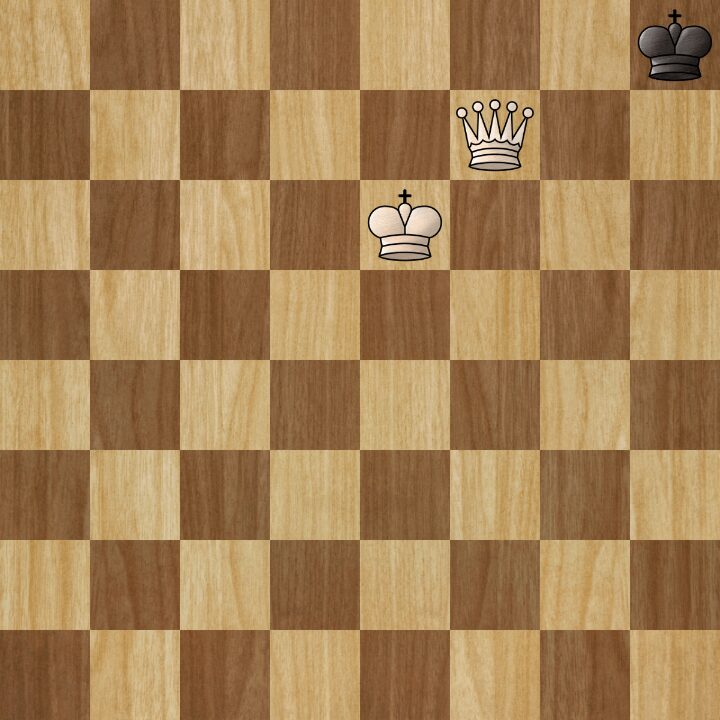
Stalemate is perhaps the most frustrating rule in chess. For beginners, it is often hard to see coming, and for experts, it can still be a surprising end to an otherwise great game. A stalemate is a draw that occurs when the player whose turn it is to move is not in check but has no legal moves. This ends the game because there is no move that can be made.
A Tie in Chess Matches
Ties are not uncommon in chess. It is said that a perfectly played game ends in a draw. Most of us are not playing perfect games, but the game could still end in a draw in a couple of different ways. You can have a draw by agreement, where one player offers a draw, and the other accepts. Or you can have a draw because of a rule. There are multiple chess rules that result in a draw. There can be threefold repetition, where the same exact position is repeated three times, the 50 move rule, where no pawn or capture has happened in fifty moves, or there is Stalemate!

The Sovereign Series Chess Pieces - 4.0" King

Premium Chess Box - Brazilian Rosewood

The House of Staunton PROFESSIONAL Tournament Bag
Is it a Win?
Before the 1800s, a stalemate wasn't seen as a draw; it was regarded as a win for the team that trapped the opponent's king. This perspective makes some sense since the aim of chess is to trap the opposing king, and a stalemate accomplishes that. However, since it doesn't involve directly attacking the king, that distinction is important. Many beginners will still argue today that they should win the game if there is no move that their opponent can play.
Understanding When It Isn’t a Stalemate in Chess
To understand a stalemate, you need to understand exactly what makes something a checkmate. A king is in checkmate when it is in danger and cannot escape the attack. There are three ways for a king to escape a check: Capture the piece checking it. Protect against the check by blocking the attack. Or run away from the danger by moving to a safe square. If the king has no way to accomplish any of those methods of escape, then the king is in checkmate, and the game is over.
What Makes It a Stalemate
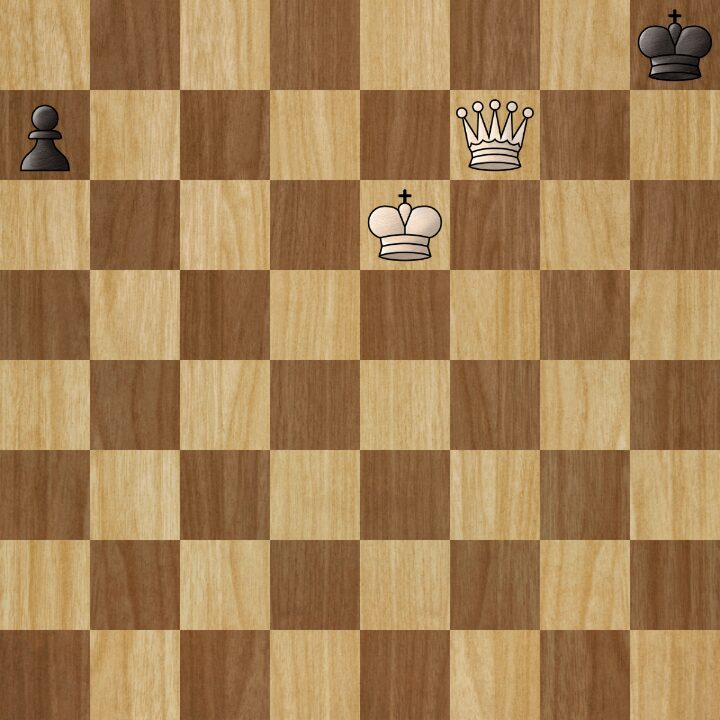
If the king or any other piece has no legal move because it would move the king into danger, but it is still that side's turn, then it is a stalemate. In a stalemate, if the king were in check, it would be checkmate. But because the king is not in danger, it is a stalemate instead. Look at the example below. Notice that the king has no safe squares to move to and is not currently under attack. Is this a stalemate?

The Broadbent Series Chess Pieces - 3.0" King

DOWNLOAD - Chess King Learn Beginners 6 - Forever Pack All Platforms
Any Move at All
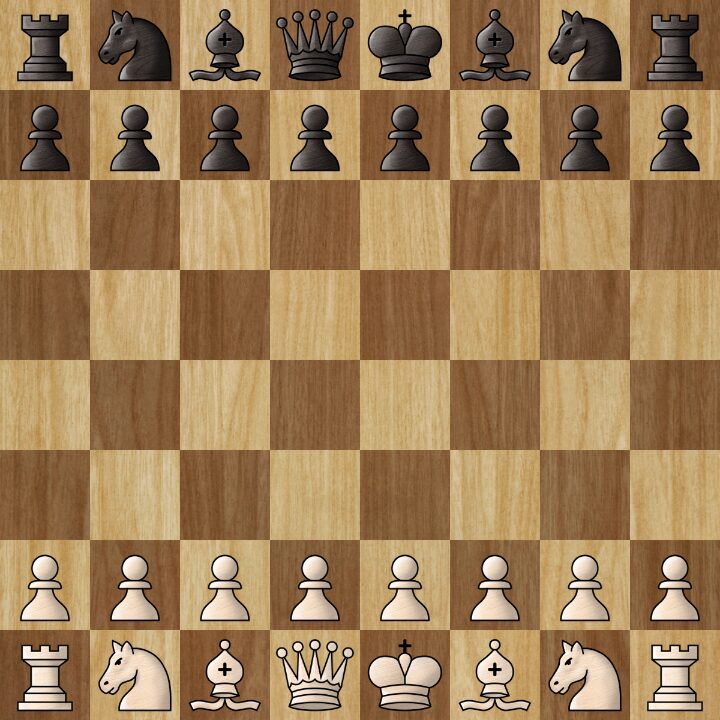
Remember to double-check that there is no move available to you or your opponent when you think it might be a stalemate. If all it took to make something stalemate was for the king to have no legal move, every chess game would end at the starting position in stalemate. If there is any legal move available to the side that you think might be in a stalemate, then that move must be played instead.
Zugzwang
Zugzwang is a German word that means “the compulsion to move.” This usually means a position where the move that they have to play also worsens their position. In chess, you cannot skip your move even if you want to. There are times when Zugzwang can force a player into a stalemate position as well.
It Cannot be Stalemate When the King is in Check
If the king is currently in check, then it would be impossible for the position to be a stalemate. When you think the position might be a stalemate, check to make sure that there isn’t a check in the position that you are missing. Especially from a long-range piece like a queen or bishop. Those diagonals can be tricky.
The Red Flags of Stalemate
Stalemate is like rotten food; you really need to notice it early. If it hits your mouth, you made a mistake! So how can you notice early that a position might be veering towards a stalemate? There are a few telltale signs and red flags that should alert you to a stalemate on the horizon so that you can avoid it, or, if you are losing, so that you can hope to trick your opponent into a stalemate!

The Collector Series Luxury Chess Pieces - 4.0" King

The Camaratta Signature Master Chess Table

LIMITED EDITION - DGT 3000 Digital Chess Clock
Only the King is Left
When there is only a king left in a position, the odds for a stalemate go way up. All it takes is a misplayed checkmate pattern, and the king ends up with nowhere to go and in a stalemate. Once your opponent's last remaining pieces are captured, be on alert that a stalemate is now on the table.
One Pawn Remains
If there is one pawn left and you find yourself in a pawn endgame, one successful outcome for the losing side is a draw through stalemate. Misplaying a winning position like this is almost as bad as losing, and it can happen with one small slip-up. Make sure you practice your pawn endgames and stalemates to avoid this disaster.
All Pieces are Locked Up
Even if all the other pieces haven’t been captured, your alarm bells for stalemate should be going off if all the remaining pieces are stuck in place! This can happen most easily when pawns are blocked, and players fail to recognize that a stalemate is on the table because they still have pieces. But if those pieces can’t move, then it’s just like they are already off the board. So if all of your pawns are locked up, be careful.
The King Has No Squares
Toward the endgame, if you notice that your king has no safe squares, it’s possible that your opponent might have a sacrifice that leads to a stalemate. These sacrifices that lead to a stalemate are very satisfying to play. Take a look at this position below. It is white to play, and they have a nice move that takes the game, and gave me thirteen brilliant moves at the same time. Can you figure out the move?
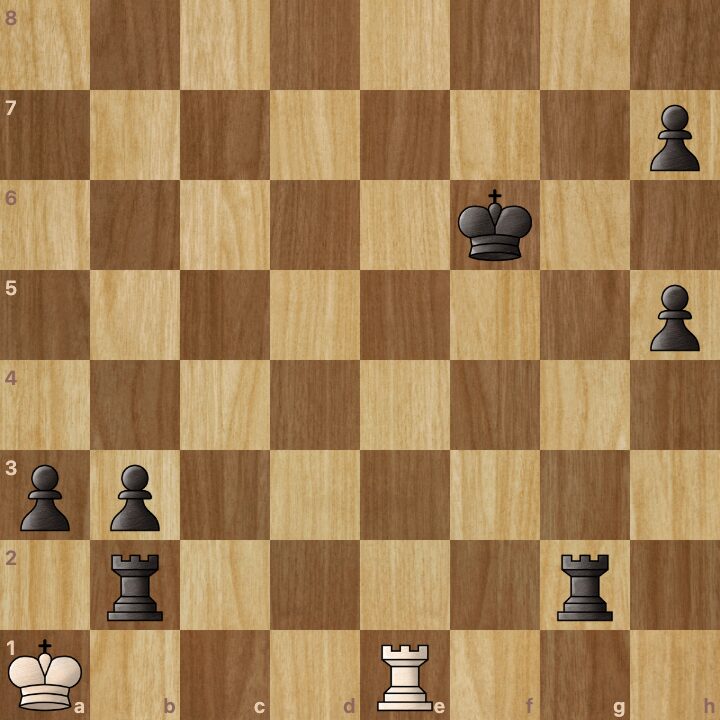
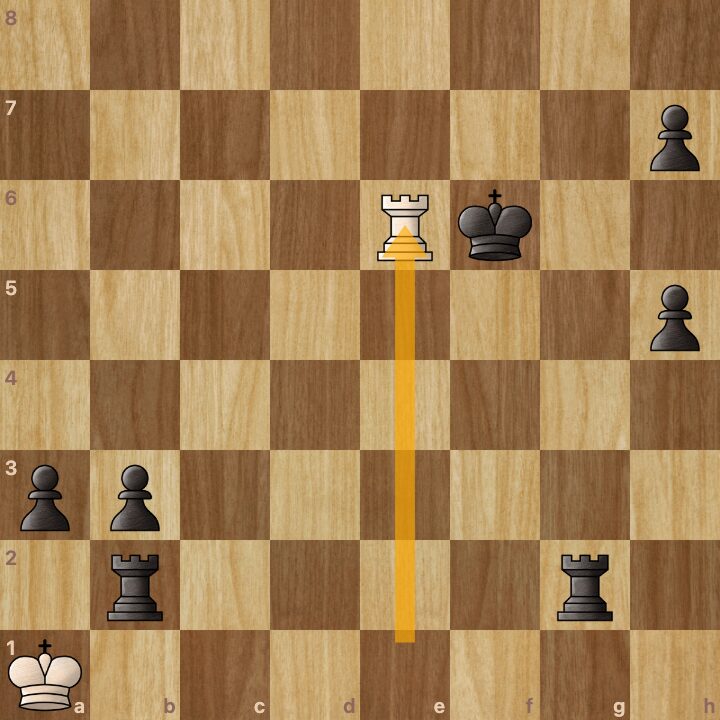
I sacrificed my rook! But it wasn’t just a regular sacrifice; if my opponent took the piece, then the position would actually be a stalemate. They tried to ignore the sacrifice, but there was nothing they could do. I just checked them over and over and over again. Every sacrifice was a brilliant move, according to chess.com. The reason I was able to spot this move was that I noticed, even on the losing end, the red flags of stalemate. My king had no legal move, and I had no other pieces left that could move. So a rook sacrifice leads to the saving stalemate.
Why Isn’t Stalemate Cheating?
Stalemate might seem like an unfair result. And in reality, it is. But it’s one of the rules of chess that we have to follow. That’s why it is important to familiarize yourself with some of the red flags that can indicate that there is a possible stalemate in the position.

The Harrwitz Series Timeless Chess Pieces- 3.5" King

Super Deluxe Tournament Director Kit

Large Wedge Chess Clock Carrying Bag
Why Understanding Stalemate is Important
Understanding the basic rules of chess is important for your confidence, especially regarding stalemate. There is nothing worse than playing a nearly perfect game of chess, and still not managing to win because you blunder into a draw. By understanding the basics of stalemate and when to watch for it, you can improve your chances of winning a won position.
Is It a Stalemate?
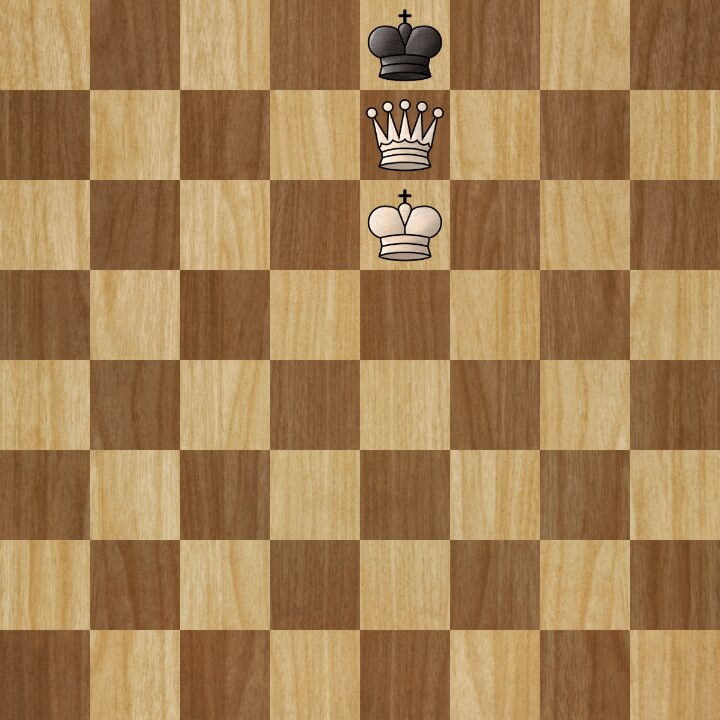
Take a look at this position and practice deciding whether or not it is a stalemate. First, look and see if the king is in danger, then see if there are any legal moves in the position. If the king is not under attack and there are no legal moves left, it is a stalemate.
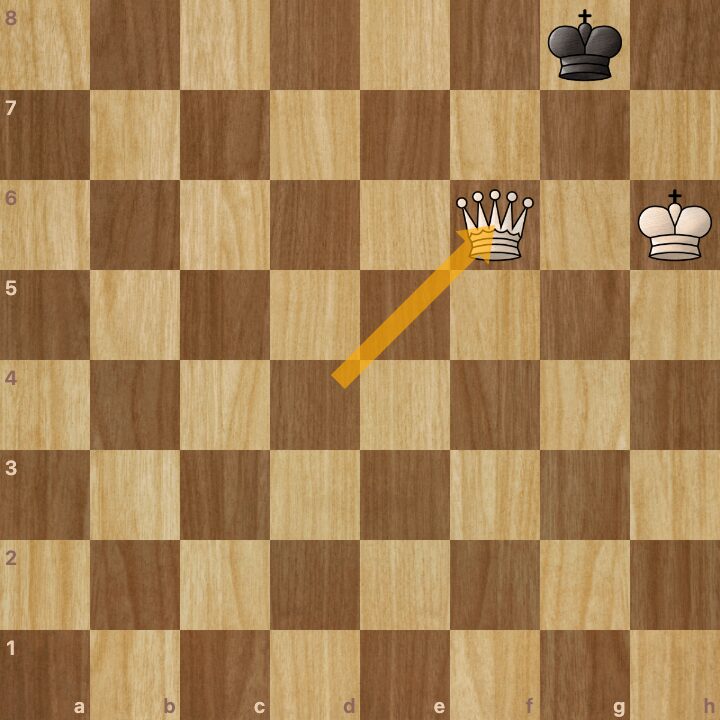
White’s last move was a game-tying mistake! Even though they were completely winning, they gave the game away by moving their queen to a square where black no longer had any legal moves, and their king was not in danger.