
Efficiently Use Your Pawns In A Game of Chess
How many points is a pawn in a game of chess worth? If you answered one, you’re only half right. In real games, a pawn’s true value depends largely on how it is being used.
Remember, a pawn on its way to promotion is worth a queen. A pawn used to force checkmate is worth more than all other chess pieces put together!
So, how should you use pawns in a game of chess to elevate their value? In this guide, you’ll learn 7 fundamental principles to wield them with game-changing power.

7 Ways to Improve Your Pawns in a Game of Chess
1. Pawn Structure
The most important concept to learn in skillful pawn play is good pawn structure. On their own, pawns are weak and vulnerable. When standing together in solid formation, however, they can be supremely influential and hard to conquer.
Good pawn structure is about the way that pawns stand together to make one another strong. Normally, this means being positioned in adjacent files where they can protect one another.
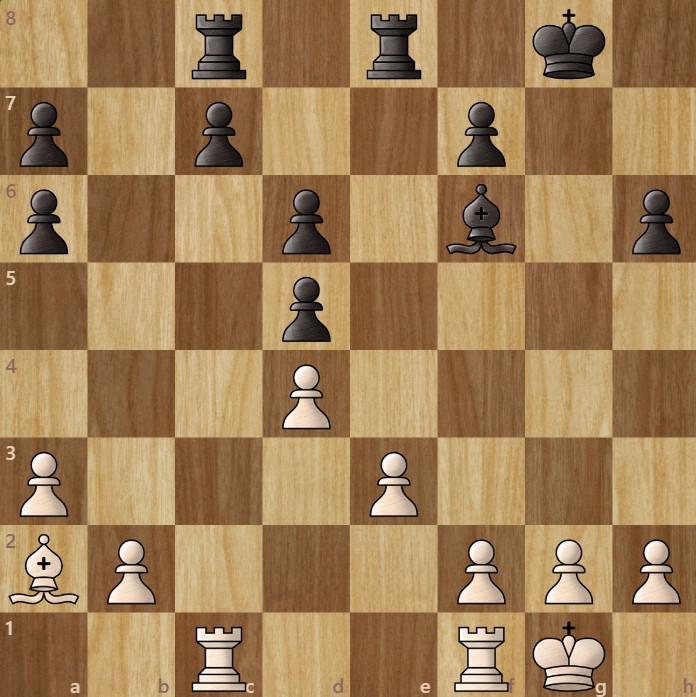
In the diagram below, White has a strong pawn structure. All of its pawns are connected to pawns in adjacent files, and no pawns are suffering from significant weaknesses. White has built a ‘pawn chain’ up to its central d4 pawn, and the base of the pawn chain on f2 is protected by the king. Notice how much this restricts Black's bishop!

The Harrwitz Series Timeless Chess Pieces- 3.5" King

Super Deluxe Tournament Director Kit

Large Wedge Chess Clock Carrying Bag
In this game, the two sides are equal on material, yet White has a massive advantage because of the comparative weaknesses in the black pawn structure.
2. Avoid the Three Weaknesses in Pawn Structure
"And his six pawns were scattered like the ships of the Armada that should have conquered England; the Lord blew, and they were all isolated." - Emanuel Lasker
Isolated Pawns
Black’s pawns on f7 and h6 are isolated. Why? They have no neighboring pawns in adjacent files to protect them. This makes them very vulnerable to capture by enemy pieces. Since they have no support from other pawns, they’re also much less likely to challenge enemy pawns successfully.
Doubled Pawns
Black’s pawns on d6 and d5 are doubled. Doubled pawns are weak because it is much more difficult to defend both of them effectively when they are on the same file. Doubling pawns also leaves the adjacent file without a pawn, where it could better serve the overall pawn structure. Notice how, in this case, the doubled pawns on the d-file contribute to the isolated pawn on f7.
Combining the weaknesses of isolated and double pawns in a game of chess are ‘doubled-isolated pawns,' which describes Black’s pawns on a6 and a7.
Backward Pawns
Black’s pawn on c7 is defined as ‘backward’ because it cannot safely advance to a square that would be protected by another pawn. In this example, this pawn may be the first that White chooses to target. By placing both of its rooks on the c-file (creating a ‘battery’), White can overpower Black’s defenses to win the pawn.

The Burnt Dubrovnik Series Chess Pieces - 3.75" King

DGT 2500 Digital Chess Clock

Premium Chess Box - Brazilian Rosewood
3. Fight to Control the Center With Pawns
One of the most important principles of chess openings and middlegames is to control the center. Pawns are especially powerful for central control when they protect one another in a solid pawn structure.
The board diagram below shows the French Defense Advance Variation chess opening. White has established strong central control with its pawn chain, hampering Black’s development. Notice how Black now has few squares where it can develop its kingside knight or dark-squared bishop.
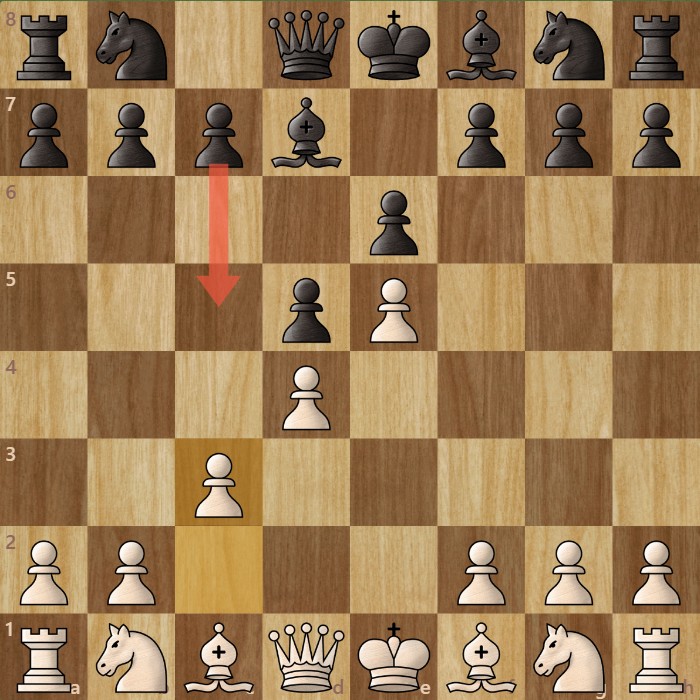
To combat White’s central dominance, Black can now play 4...c5. This challenges the d4 pawn and White’s pawn chain, making it more vulnerable to collapse in the coming moves. Black can bolster its challenge further with a knight on c6 and its queen on b6.
If Black succeeds at overthrowing White’s center, it will gain much easier development and much more control of the board. This demonstrates just how decisive and skillful pawn play is in the center of the board.
4. Open the e-file and Attack!
A cunning opening plan that frequently works especially well for beginners is to open up the e-file early to catch out the enemy king in the middle of the board. Paul Morphy was a master of this chess strategy, and this game against John William Schulten in 1857 is a textbook example.
Notice how Morphy is ready to castle while his opponent's king looks set to be stuck in the center for several more moves. Morphy has already sacrificed his d-pawn and now has played 6...e3!—sacrificing his king’s pawn too in a pawn break that completely opens the e-file.
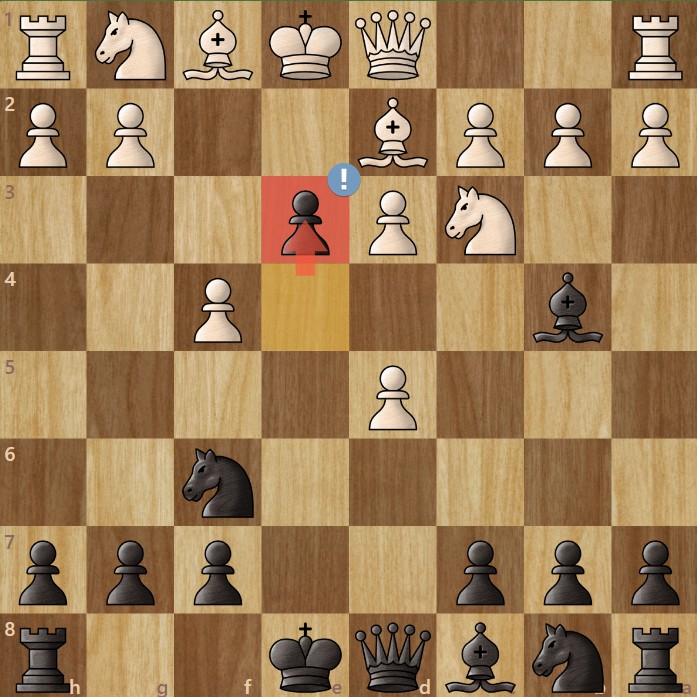
Now, after White captures (7. Bxe3), Morphy castles, readying his rook to attack the open e-file. Early attacks like this on the e-file can be very difficult to defend. In this chess match, White was forced to block the check with its bishop—but when Morphy piled on more pressure with minor pieces, White couldn’t prevent a fatal attack.

The Library Collection - The Anderssen Dropjaw Series Luxury Chess Pieces - 3'' King

DOWNLOAD - FRITZ 21

Millennium eONE Electronic Chess Board for playing on chess.com
This example perfectly illustrates how a combination of gaining a head start in development and opening the central files with pawns can quickly lead to catastrophe for your opponent.
5. Create Passed Pawns and Push Them
A passed pawn is a pawn that has advanced beyond any enemy pawns on its file or on adjacent files. This means it can no longer be captured or blocked by another pawn on its way to promotion. Passed pawns stand ever more valuable as the game progresses and as they advance up the board.
For beginner chess players, passed pawns are usually only considered at the endgame when pawn promotion becomes a real possibility. As you progress in chess, however, you can try creating passed pawns earlier in the game. Threatening pawn promotion in the middlegame can be a surprisingly powerful strategy!
In the game below (Kasparov vs Pribyl 1980) Garry Kasparov demonstrates the power of a passed pawn even during the early phases of the game. With d4-d5, he is already forcing a passed pawn on move 16. If Black trades pawns, White has a passed pawn. If Black doesn’t trade, the pawn advances to d6 to become a passed pawn anyway.

White continued by advancing the pawn to d7, where imminent promotion terrorized Black! Kasparov used this threat to lever a strategic advantage from where a mating attack became easy. This example shows just how dangerous passed pawns in a game of chess can be!
6. Remember: Rooks Belong Behind Passed Pawns
In the Kasparov game, the pawn couldn’t have advanced up the board alone. Pawns need support on their way to promotion, and the classic piece for that is the rook. Because rooks move in the same direction as pawns, they can support pawns in every move toward promotion.

The Fischer Spassky Series Chess Pieces - 6.0" King

DOWNLOAD - CHESSBASE '26 - Premium Package

The Millennium King Competition Chess Computer
Often, however, other chess pieces are needed to provide extra help. We’re now on move 23 in the Kasparov vs. Pribyl game. Can you find Kasparov’s next great move to threaten pawn promotion?
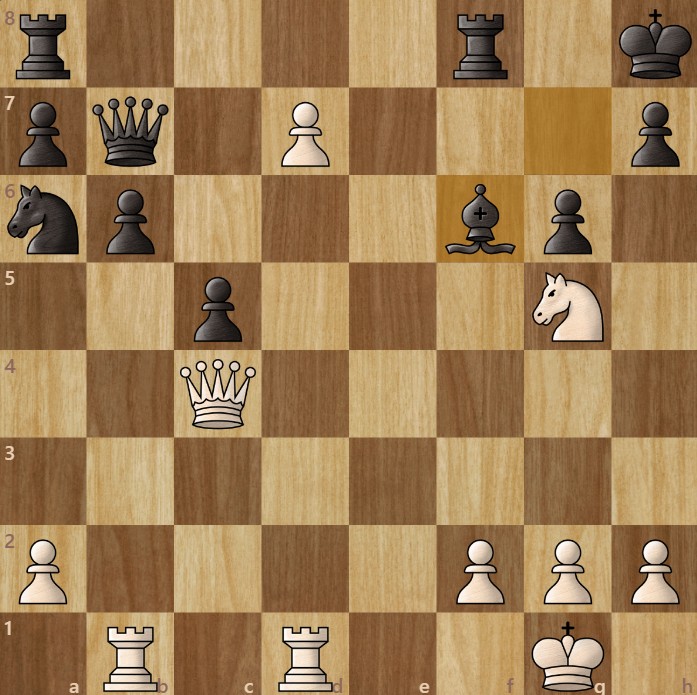
Answer: Ne6! With this, Kasparov’s knight and rook both support pawn promotion, and the knight also double attacks the Black’s rook. With more pieces threatening to offer further support, Black was forced to sacrifice its rook to prevent disaster. Several moves later, Kasparov’s position was so strong that his opponent resigned.
7. Master Pawn and King Endgames
Endgames are often won by the player who succeeds in attaining pawn promotion first—hence, pawns become extraordinarily valuable when there are few pieces left on the board.
In addition to creating passed pawns and getting your rooks behind them, the king becomes a very powerful piece in assisting pawns on their path up the board. In fact, pawn promotion is often gained by the player who activates and wields their king most promptly and skillfully.
The diagram below shows Black is marching its passed pawn up the h-file. Of course, White’s king will prevent Black from keeping a queen, so why is this still strong chess strategy?

Answer: Black is demonstrating a classic endgame strategy of diverting the enemy king away from the more critical pawn fight on the other side of the board. By forcing White’s king into the opposite corner, Black’s king will capture White’s remaining pawns and easily attain pawn promotion with two connected passed pawns.

The *NEW* Austrian Coffeehouse Series Chess Pieces - 4.0" King

Premium Chess Box - Golden Heart

The Large Ultimate Chess Bag
Pawns in a Game of Chess: A Brief Recap
Pawns can be worth much more than their one point of value suggests—but only if you know how to use them.
By creating a strong pawn structure, controlling the center, making timely pawn breaks, creating and pushing passed pawns, and wielding pawns wisely in the endgame, you’ll have the edge over opponents who don’t recognize a pawn’s true value.
Related: