
10 Chess Rules Beginners Need To Know
To most who have never played the game, chess seems like some vast ocean of rules, strategies, and confusing ideas. But once you know the basic chess rules and a few of the unique rulesets that make chess different, then the game becomes less mysterious, and you can start to enjoy the game that's been played for hundreds and hundreds of years. If you have never played, you might have no idea of where to start. Especially in today's world of online resources, it’s likely you might stumble into a video detailing twenty moves of Sicilian theory, all before you learned how the pieces move!

The Starting Point
When I teach chess to beginners, I start with the absolute basics as the building blocks for all other rules. Those building blocks start with the pieces. How they move and what makes each one special. This isn’t checkers! The pieces are different. Once you understand them, you can start playing. Then you can start improving. The goal is for you to play, though, so learn the basics quickly and jump into a game as soon as you can.
The Basics of Piece Movement
There are many excellent resources for understanding how the different chess pieces move, so I will just give a quick overview. If you are new to chess, there are many excellent beginner chess books out there that can give you all the info you need on the pieces. There are some rules about how the pieces move that are especially important to know.

The Guardian Series Chess Pieces - 3.75" King

Premium Chess Box - Mahogany

Chronos GX Clock Carrying Bag
1. Pawns Can’t Move Backward
If you have learned that pawns move forward and capture diagonally, you also need to know that they can never move backward. Why is this an important rule? It means that every single time you move a pawn, you are making a permanent change to the chessboard that cannot be undone. Think through your pawn moves carefully.

2. Pawns Capture Diagonally
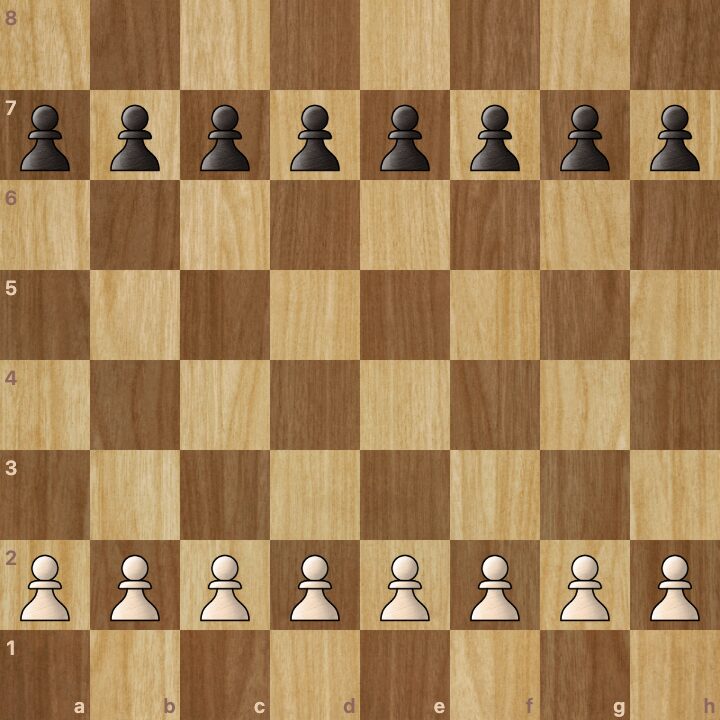
Learning about how the pawn captures is tricky, because it is the only chess piece that captures differently than it normally moves. I often teach beginners by having them play against another student or me with just pawns on the board, and the goal is to push the pawns all the way to the end of the board. This forces students to think critically about each pawn move and to recognize that each one matters.
3. Pawns Moving Two Squares
Pawns can choose to move two squares forward from their starting square. If you don’t know this rule, you won’t be able to control the center of the board as well as your opponents. Why do pawns need to move two squares? The rule was added in the first place to speed up the game. Speed in chess is also tempo, so if you don’t take advantage of the two squares your pawns can move, you might end up behind your opponent!
Rules for Setting Up A Game
To play a proper game of chess, you need to make sure you follow the rules for setting up a board and who goes first. This might be the rule I see most often broken by beginner players! Putting the pieces on the incorrect starting squares is an easily fixable problem once you learn how to set up the board!

The *NEW* Austrian Coffeehouse Series Chess Pieces - 4.0" King

DGT 3000 Digital Chess Clock

The Camaratta Signature Championship Chess Table - Dark Brown
4. The Queen on Her Color
The queen always starts on its own color. Meaning the white queen starts on a white square, and the black queen starts on a black square. Before you play your first move, make sure your king and queen are not mixed up. This will throw off your opening, and leave you confused if you play your normal opening moves without noticing. If you are going to play an over-the-board game, especially be aware of this. If most of your games have been played online, you will not be used to setting up a board properly, and it can be easily missed. Take a quick look at the queen and king before your game begins, just to make sure they are correctly set up.
5. The Board Set Correctly
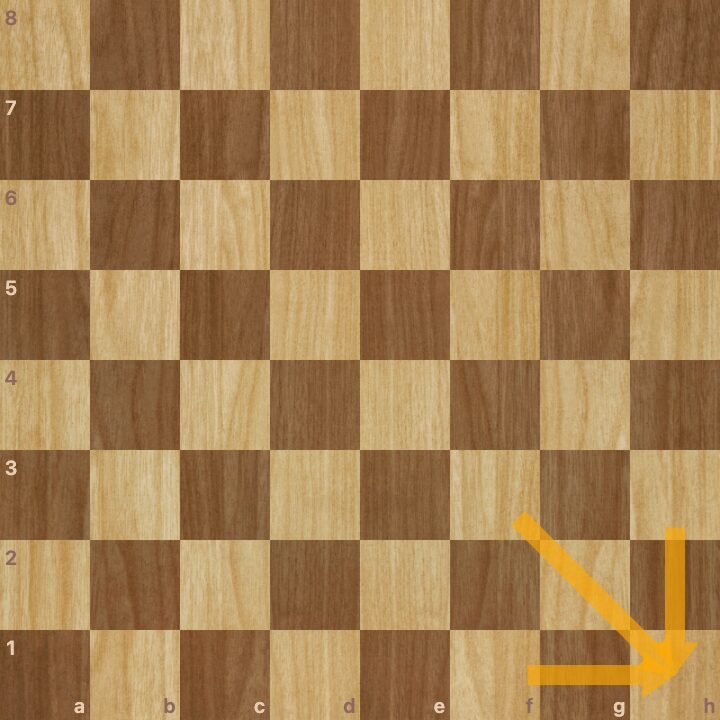
Another way the board could be set up incorrectly is if it is turned sideways! You might not think that matters, but it will change things. Be aware that when setting up your chessboard, it faces the correct way. Make sure the bottom-right square is white. If this is done incorrectly, it can throw off the rest of your setup. If you pay attention to chess in the media, you'll often see it done incorrectly! So, be careful and make sure the board is set up so that you can start a proper game of chess.
Unique Rules
Chess also has some interesting rules that can help you gain an advantage over your opponents if they are unfamiliar with them. Knowing all the rules is important when trying to win games, and you don’t want to be surprised by something you didn’t know was allowed in the game.
6. En Passant
Okay, so en passant might not be the most important rule you need to know, but it is a unique rule regarding pawns that you might not know if you are new to chess. En passant means “in passing” in French, and that can help you understand what it is. Basically, when a pawn moves two squares, if your opponent's pawn was in a position that could have captured it had it moved only one square, it is still allowed to capture. It’s important to know, because you don’t want to be caught off guard if it happens in one of your games.

The Modern Series Chess Pieces - 3.75" King

DGT Pegasus Chess Board (e-Board) - Wireless Bluetooth with USB Charger

Bobby Fischer Teaches Chess
7. Castling
This move involves shifting your king two squares and placing your rook on the opposite side. It helps move your king out of the risky center and develops your rook simultaneously. Castling is a very effective and efficient move. Some beginners hesitate to castle, thinking their king is safer in the center, but the middle can often become open, leaving the king vulnerable. An exposed king is more likely to be checked or checkmated. Remember, you can castle in either direction, as long as you move your king two squares and position the rook accordingly.
Times You Can't Castle
Once you move your king or rook, you can’t castle. Moving the kingside rook still permits queenside castling, and vice versa. However, if you have moved the king at any point, castling is no longer allowed.
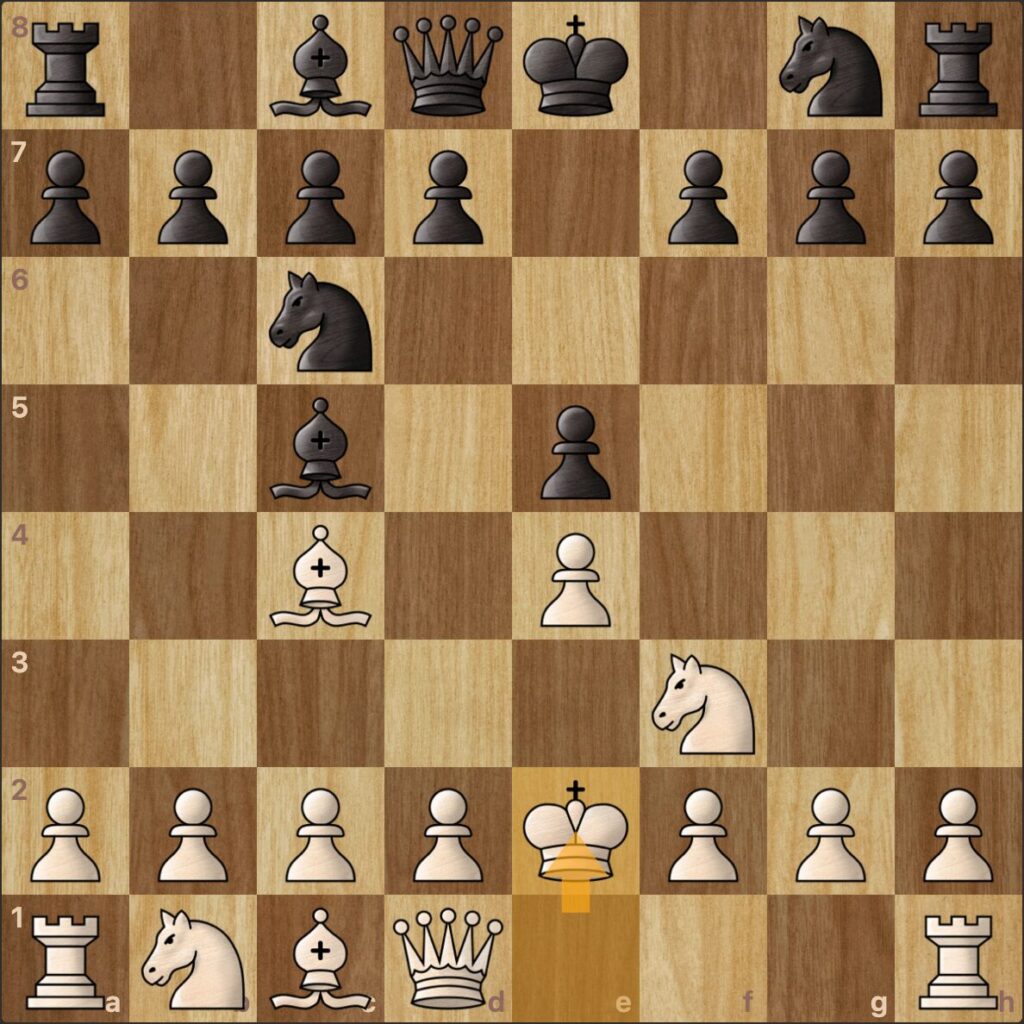
Castling is not allowed if your king is in check. Overlooking this can lead to illegal moves in tournaments, so always check if your king is under attack before castling. If it is under attack, you can't use castling to escape because it’s against the rules. While it might seem like a way to avoid the check, castling isn't permitted in this situation. Instead, you should capture, defend, or move your king away. Keep in mind that if you run away from the attack, you won’t be able to castle afterward, since your king has moved.

The Camaratta Collection - The Botvinnik Flohr Series Chess Pieces - 4.0" King

Leap Digital Classic Chess Clock

US Chess Premium Chess Box
8. Pawn Promotion
One important chess rule is that when you get a pawn to the end of the board, you change that pawn into another piece. You get to choose whether you want a bishop, knight, rook, or queen. Most of the time, a queen is the right choice since it is the most powerful piece. The pawn cannot stay a pawn, and it cannot become another king. In the endgame, pawn promotion is one of the most important rules. If you understand the power of a pawn in the late game, and your opponent does not, that can easily be the winning factor. If you are trying to solve an endgame puzzle, or just trying to win a tough position, don't forget how strong pawns are in the endgame!
Checks and Checkmates
After I teach the basic rules of chess piece movement, I teach beginners about check and checkmate. It is a vital part of understanding how chess works. What is the goal? To win. And you win by checkmating your opponent. To checkmate, you must attack the king with a check.

The Sovereign Series Chess Pieces - 4.0" King

Premium Chess Box - Brazilian Rosewood

The House of Staunton PROFESSIONAL Tournament Bag
9. Escaping Check
If a king is in danger, he must escape that danger. If it is not possible for the king to escape the check on that turn, then the game is over, and it is checkmate. Otherwise, there are three ways to escape a check: Capturing the piece that is attacking the king, and therefore removing the attack altogether. Protecting against the check by blocking it or putting a piece in between the king and the attacking piece. Or, running away with the king. Not only is understanding checks important for winning games, but it is also the foundation of most chess tactics.
10. You Cannot Put Your Own King In Danger
When escaping check, moving your king, or even castling, you can never put your own king into danger. This rule is what makes pins possible. If a piece is blocking an attack on the king, that piece cannot move, or the king would then be in check. You can never end your turn with your king in check. I see beginners often making this mistake. Often, their opponents also miss it! So, make sure you are constantly aware of the kings location, and if any pieces are putting it in danger.