
Trap Them All With The Stafford Gambit
In 2020, International Master Eric Rosen suggested that the Stafford Gambit might be the ‘trappiest opening in chess.’ He backed up his claim by effortlessly defeating titled players, including GM Sergey Erenburg in 14 moves!
Such feats helped catapult the Stafford Gambit from an offbeat obscurity to a viral hit among the online chess community. It also demonstrated that objectively ‘dubious’ openings can be wielded with spectacular success, even against the world’s top chess players!
In this article, we’ll delve into six delicious Stafford Gambit chess traps to topple even the Goliaths of the chess world!

The Infamous Stafford Gambit
Until about a decade ago, the Stafford Gambit (1. e4 e5 2. Nf3 Nf6 3. Nxe5 Nc6 4. Nxc6 dxc6) was almost unheard of. An obscure sideline of the Petrov Defense, or ‘Russian Game,’ it had rarely even been recorded in serious play.
In the Stafford, Black gambits a pawn without much apparent compensation. The chess engine evaluation condemned the variation, giving White a +1.4 score. To most chess players, the opening appeared utterly unplayable.
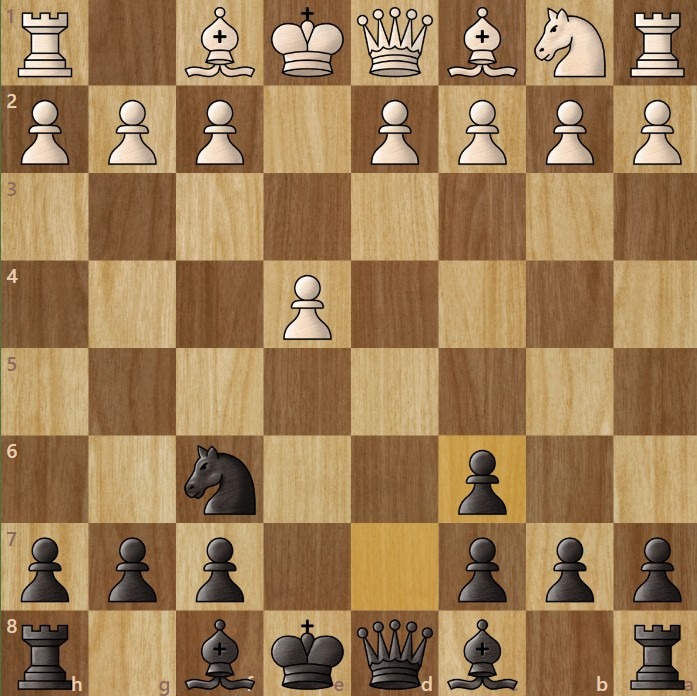
It wasn’t until YouTube chess streamers like IM Eric Rosen began heralding the Stafford Gambit for its incredible trickery that the world’s chess community began to take notice. Even though this chess opening is objectively unsound, the opponent needs to play almost perfect moves to avoid becoming ensnared in an almost endless series of traps!


The Stafford Gambit may remain inadvisable at classical time controls against strong opponents, yet it has proven to be a fearsome weapon in blitz and bullet chess at all levels. Eminently playable at beginner to intermediate level, it has now even garnered a cult following among titled players at faster time controls.
In the following guide, we’ll give you chances to find devastating tactics from different Stafford Gambit positions to hone your mind for one of the sharpest openings in chess!
The Stafford Gambit in 6 Traps
There’s no getting away from it. The Stafford Gambit is unashamedly all about traps. Without tricking your opponent, the opening is dubious at best! Luckily, there are so many traps that you have a fantastic chance of landing a fatal blow right from the start.
We could never list all of the myriad Stafford traps—but here are six of the best, following the three most likely ways that White will respond on move five.


5. Nc3
A very common answer to the Stafford Gambit is 5. Nc3—a simple development move, from which many traps may follow!
Trap #1: The Quintessential Stafford Gambit Trap
This first trap clearly demonstrates some key, recurring themes of the Stafford Gambit against a typical line. As Black, your central plan is to go after White’s weak f2 pawn and exploit any clumsy attempts that your opponent makes to defend it.
In this line, after playing an ill-advised 6. Bc4, White imagines it can escape danger by castling, only to discover it’s just castled into a mating net! Can you spot Black’s killer maneuver on move 7? 1. e4 e5 2. Nf3 Nf6 3. Nxe5 Nc6 4. Nxc6 dxc6 5. Nc3 Bc5 6. Bc4 Ng4 7. O-O
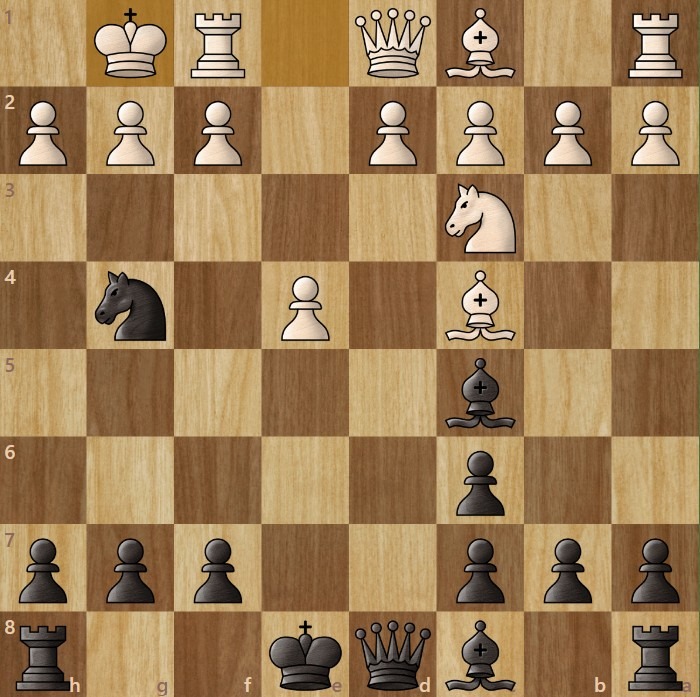
Answer: 7...Qh4. With this move, Black threatens both a checkmate on h2 and a lethal attack on f2. White’s best way to avoid checkmate is by playing 8. h3, yet 8...Nxf2 offers so many tactical attacks that Black wins 86% of games from here!
Trap #2: Beating a Prepared Opponent
1. e4 e5 2. Nf3 Nf6 3. Nxe5 Nc6 4. Nxc6 dxc6 5. Nc3 Bc5 6. h3
Suppose your opponent knows a thing or two about the Stafford Gambit and imagines they can spoil your plans with 6. h3 - a strong defense you’ll likely see in other variations, too. Playing h2-h3 takes away the precious g4 square from your knight—so now you must change tack.
Your plan now is to develop your bishop to e6, your queen to d6, and long-castle. This gives you excellent attacking options on White’s kingside. For example, the most common continuation follows:
1. e4 e5 2. Nf3 Nf6 3. Nxe5 Nc6 4. Nxc6 dxc6 5. Nc3 Bc5 6. h3 Be6 7. d3 Qd6 8. Be2 O-O-O 9. O-O
Can you see Black’s devastating sacrifice from here?
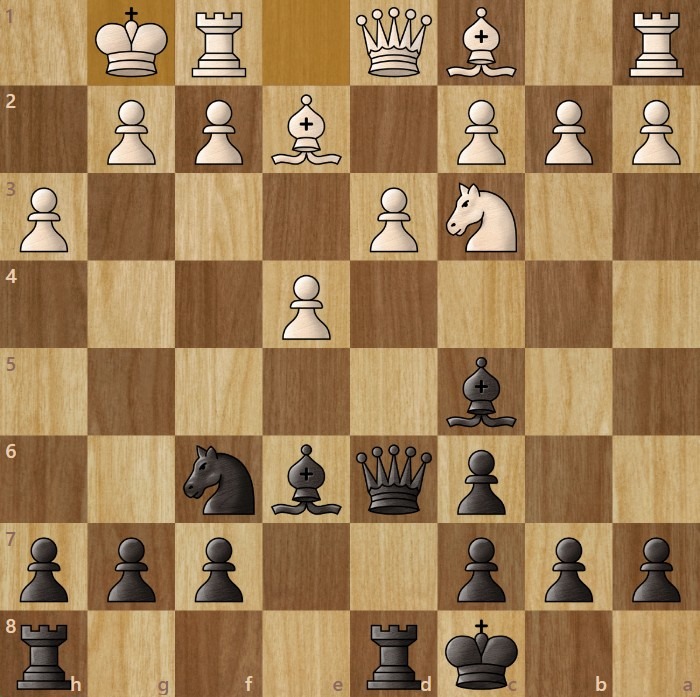
Answer: 9...Bxh3. Now, if White captures the bishop, you swoop in with 10. Qg3+. White cannot capture, since its f-pawn is pinned. Continue by capturing the h3 pawn in a mating attack. For example: 10. gxh3 Qg3+ 11. Kh1 Qxh3+ 12. Kg1 h5 13. e5 Ng4 14. Bxg4+ hxg4—and checkmate is forced.
5. d3
5. d3 is a popular and objectively strong move for White to meet the Stafford Gambit. Nevertheless, many traps still lie in wait against unsuspecting opponents!
Trap #3: Oh No, My Queen! (Checkmate in Eight Moves)
One of the most spectacular traps in the Stafford Gambit involves a queen sacrifice to score a three-piece checkmate. 1. e4 e5 2. Nf3 Nf6 3. Nxe5 Nc6 4. Nxc6 dxc6 5. d3 Bc5 6. Bg5
Can you see how Black can sacrifice its queen to win the game?
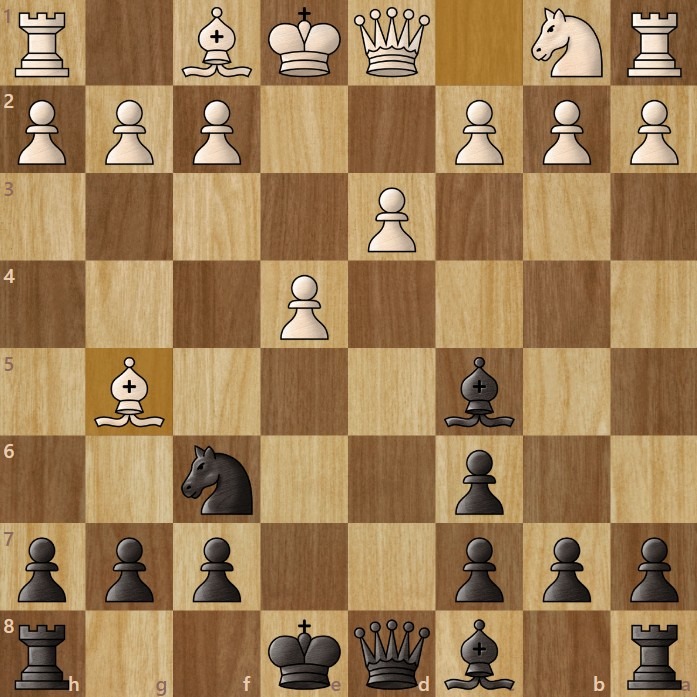
Answer: Nxe4! Now, if White captures the queen, you storm their camp with 7…Bxf2+ 8. Ke2. Watch your opponent turn pale as they realize that 8...Bg4# is game over! A stunning checkmate out of the blue with two bishops and a knight!
Trap #4: The Fishing Pole Trap
1. e4 e5 2. Nf3 Nf6 3. Nxe5 Nc6 4. Nxc6 dxc6 5. d3 Bc5 6. Be2 h5
One of the most common ways for White to continue in the Stafford Gambit after 5. d3 is 6. Be2. This move is designed to prevent Black’s knight from reaching g4. But are you going to give up so easily?!
With firm resolve to follow your plan, continue with a fishing pole: 6...h5. Now if White captures your knight on g4, you can recapture with the h-pawn, unleashing your rook on the h-file. Of course, your hope is that White will castle kingside—a mistake that a surprising number of opponents make!
For example, a spectacular rook sacrifice leads to checkmate in this typical continuation:
1. e4 e5 2. Nf3 Nf6 3. Nxe5 Nc6 4. Nxc6 dxc6 5. d3 Bc5 6. Be2 h5 7. O-O Ng4 8. Bxg4 hxg4 9. Nc3 Rxh2 10. Kxh2 Qh4+ 11. Kg1
From here, Black can force checkmate in 6 moves. Can you see how?
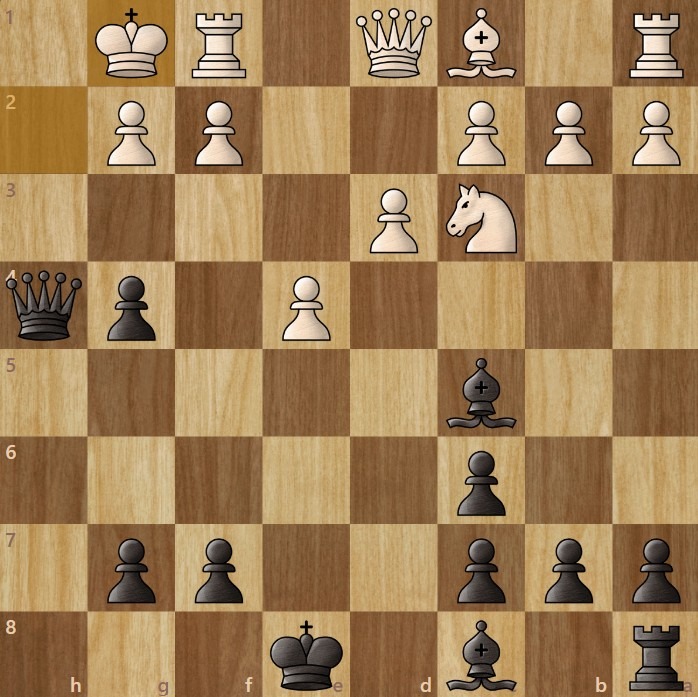
Answer: By playing 11...g3, Black threatens checkmate (...Qh2#). White can postpone its fate for several moves, but can’t deny checkmate if Black continues with the right moves!
5. e5
In 15% of games, White will answer the Stafford Gambit by pushing its pawn to e5 to attack your knight. A risky move that often pays off is to advance the knight to e4 (5. e5 Ne4).


Trap #5: Win a Queen in Eight Moves!
5...Ne4 is a luring move that hopes to tempt White into playing the natural-looking 6. d3 to kick the knight. You ignore the threat and respond with 6...Bc5, targeting your favorite f2 square. Believe it or not, White can now do nothing to save itself!
Most opponents go ahead and capture the knight. Can you see how this ends in tears?
1. e4 e5 2. Nf3 Nf6 3. Nxe5 Nc6 4. Nxc6 dxc6 5. e5 Ne4 6. d3 Bc5 7. Dxe4
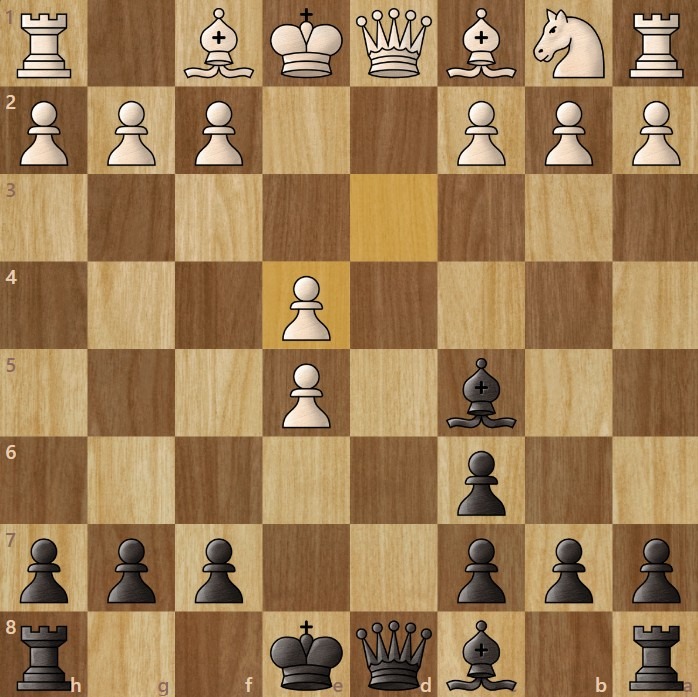
Answer: 7...Bxf2+ 8. Kxf2 Qxd1—and the queen is won! If White were instead to answer with 7. Be3, capture it before playing 8...Qh4+. White is now on thin ice, and you can quickly win its rook or the entire game very quickly.
Trap #6: Sac a Bishop, Win a Rook!
5...Ne4 is a risky move because White can reply with 6. d4—a solid move that gives them strong control of the center.
But the danger isn’t over yet for White! In reply, Black can answer with the very same move (6...Bc5), threatening White’s d4 pawn. But now White can simply capture the bishop, can’t they? Can you see White’s plight if they do?
1. e4 e5 2. Nf3 Nf6 3. Nxe5 Nc6 4. Nxc6 dxc6 5. e5 Ne4 6. d4 Bc5 7. dxc4
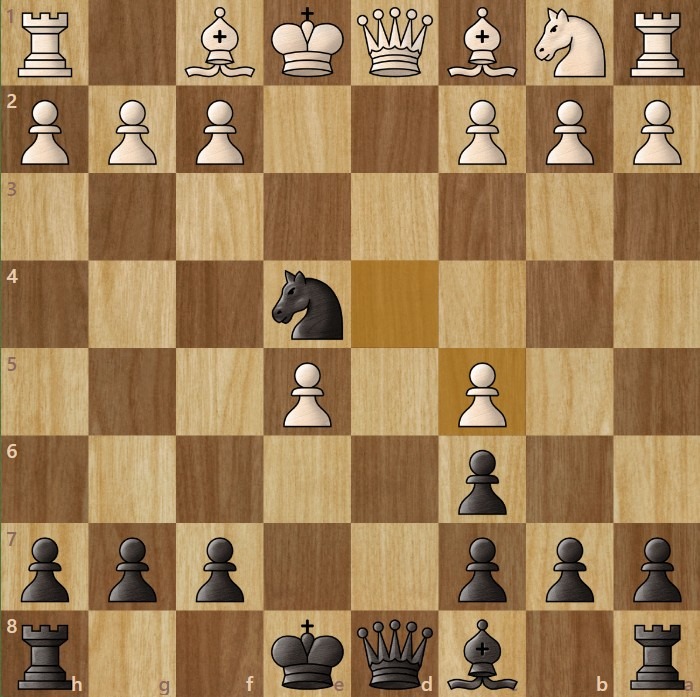
Answer: 7...Qxd1+ 8. Kxd1 Nxf2+. After the queen swap, White’s king no longer defends f2. The knight swoops in with a classic fork to win the rook! Now try to castle quickly and create an escape route for your knight to be in a winning position!
Our Verdict: A Killer Choice for Blitz Chess!
The Stafford Gambit is undoubtedly an audacious opening that any decent chess engine would balk at. Fortunately, human players don’t play like machines, and the sheer number of traps makes the opening a minefield for even the world’s best players.
While few titled players would choose the Stafford Gambit in classical chess games, in blitz and bullet chess, it’s a lethal weapon that even has the world’s top players tearing their hair out at its terrible potency!
If you enjoy dazzling openings to terrify opponents at faster time controls, this is an opening that you’ll likely fall in love with.
Stafford Gambit FAQs
While not objectively the strongest opening, the Stafford Gambit is one of the sharpest and trickiest openings in chess. Because a single inaccurate move from White frequently leads to disaster, the Stafford scores brilliantly in blitz and bullet games—especially at club level.
At the amateur level, some of the highest-scoring chess gambits for White include the Danish Gambit, the Vienna Gambit, and Evans ’ Gambit. With Black, the Benko Gambit, Rousseau Gambit, and Stafford Gambit are all deadly chess openings that score exceptionally well against club-level players.
The Stafford Gambit is named after Joseph C. Stafford, who played the opening to win a correspondence chess game in 1950 in just six moves! It was almost unheard of, however, until YouTube streamers like IM Eric Rosen made it a great hit with an online audience, more than 50 years later!