
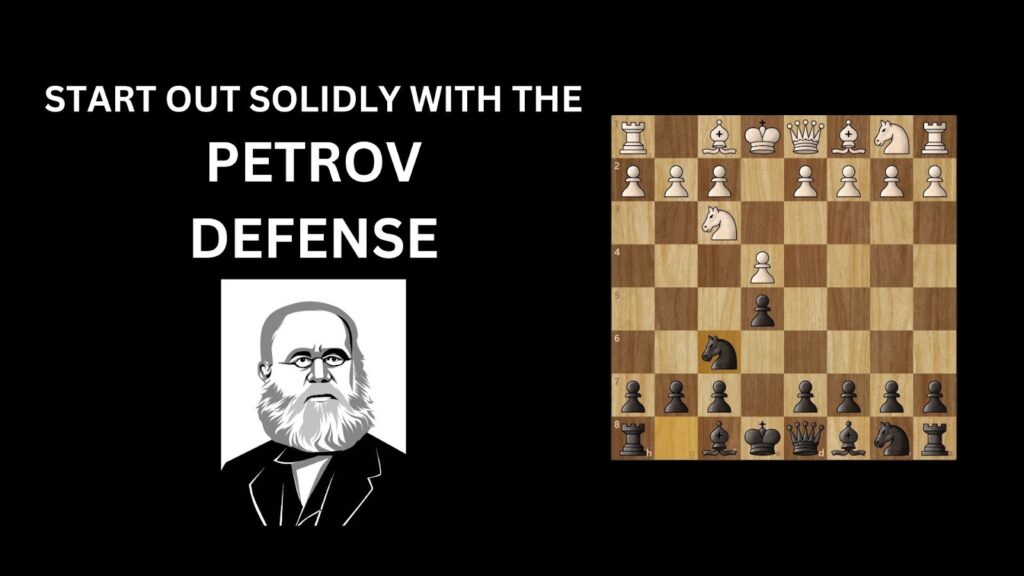
Start Out Solidly With The Petrov Defense
The Petrov Defense is perhaps Black’s most solid way of meeting the King’s Pawn Opening.
It has often been said that Black’s first order of business in the opening is to equalise the game. The Petrov Defense does a sterling job of doing precisely that. If Black knows what they are doing, it is very difficult for White to gain any sort of edge. For this reason, few players with the White pieces enjoy coming up against the Petrov Defense.
In this article, you will learn:
- Why you may want to consider playing the Petrov Defense.
- How a model game between two grandmasters in the Petrov Defense played out.
- Our recommendation to continue your education in this chess opening for Black.
The Petrov Defense - Introduction & Origins
The Petrov Defense (also known as the Russian Game) begins with: 1. e4 e5, 2. Nf3 Nf6.
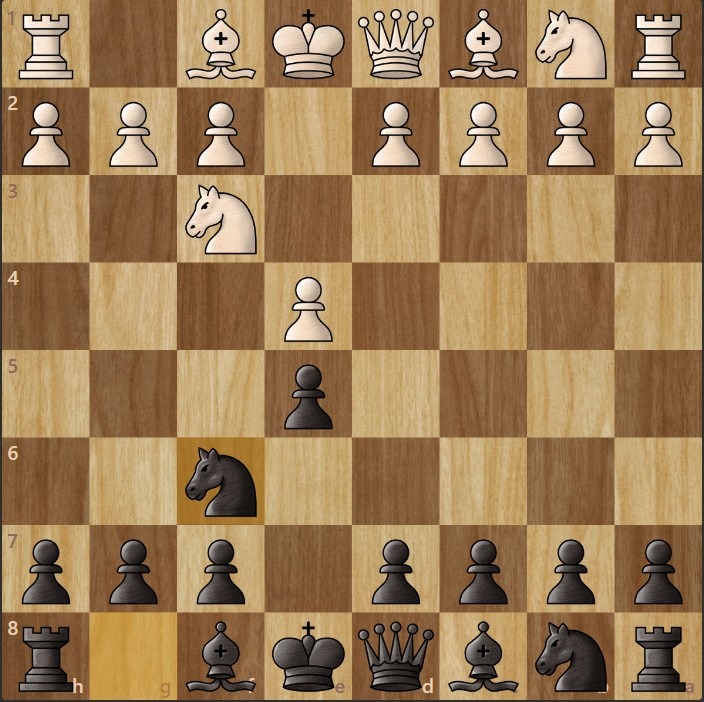
Black’s more common reply to 2. Nf3 is 2. …Nc6, which defends the e5 pawn. After this, White has many options on move three.
- 3. Bb5: the Ruy Lopez.
- 3. Bc4: the Italian Opening.
- 3. d4: the Scotch Game.
- 3. Nc3: the Three Knights Opening.
Anyone who decides to play 2. …Nc6 with the Black pieces must do so in the knowledge that they must be ready to face any of these various opening systems that White could go for.
However, choosing to enter the Petrov with 2. …Nf6 removes all those possibilities for White. This makes the Petrov Defense an excellent way to reduce the amount of opening theory you need to learn! It can be used every time White starts the game by advancing their e4 pawn and then continuing with 2. Nf3.
White has a few ways to respond to the Petrov Defense, but by far the most popular is capturing via 3. Nxe5.
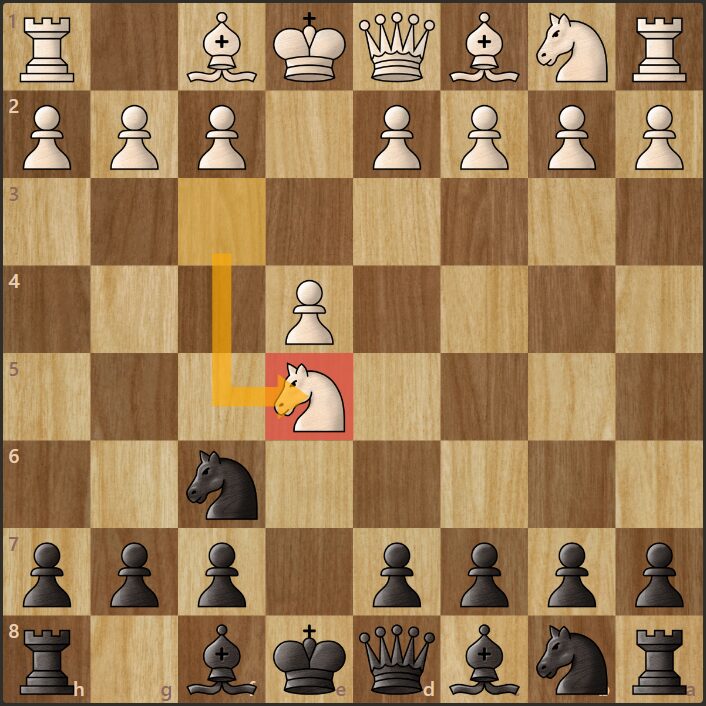
Let’s take a look at Black’s options from here:
Sideline #1: 3. …Nxe4?!
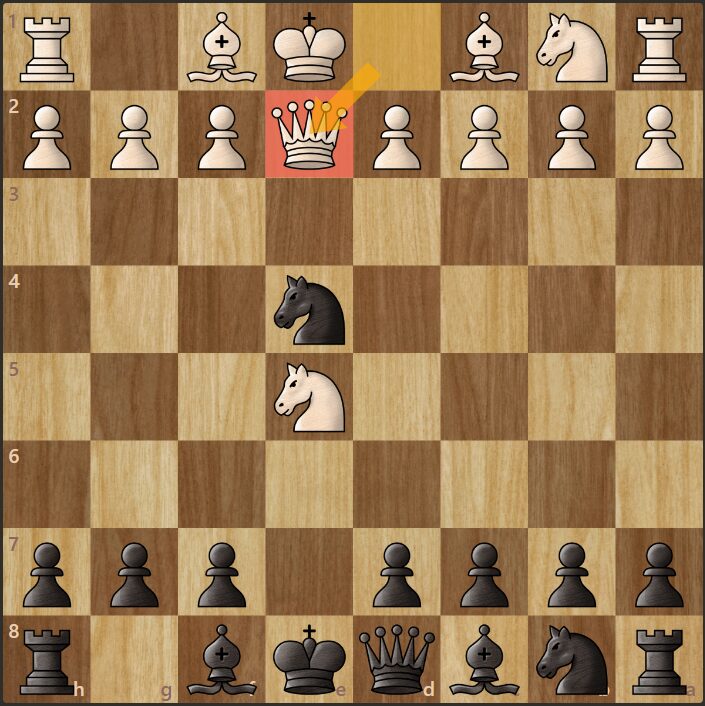
The most natural response is to capture White’s e-pawn immediately via 3. …Nxe4?! However, this is an inaccuracy. It can lead to tension on the open e-file which favors White, given that White is one move ahead. Therefore, 3. …Nxe4?! is seldom chosen by strong chess players.
Once White replies with 4. Qe2 Black needs to be wary of tactics - for example retreating the knight out of harm's way via 4. …Nf6?? would lose immediately to the discovered check 5. Nc6+! winning the Black queen by force.
Sideline #2: 3. …Nc6 (The Stafford Gambit)
One of the sharpest variations of the Petrov is the Stafford Gambit with 3. …Nc6 - offering White the chance to win a pawn via 4. Nxc6. Black’s idea is to recapture with the d-pawn: 4. …dxc6, opening lines for rapid piece development.

The Library Collection - The Anderssen Dropjaw Series Luxury Chess Pieces - 3'' King

The Camaratta Signature Master Chess Table

The Royale Chess Set, Box, & Board Combination
The Stafford Gambit has exploded in popularity in recent years thanks in large part to the efforts of the streamer and YouTuber Eric Rosen. Rosen has created dozens of videos showing the various tricks and traps in the Stafford Gambit - and there are a lot of them!
This gambit is extremely sharp and aggressive - everything that the main line of the Petrov Defense is not! It is rarely tried in serious competition, but can be a dangerous weapon at club level or in online chess played under fast time controls. Being down a pawn from the outset, Black needs to throw the kitchen sink at the White king in order to exploit their lead in development.
Games in the Stafford Gambit are often decided by which player is better prepared. If White knows how to neutralize Black’s threats and can get their king to safety, then White should emerge with a clear advantage due to the extra pawn. However, this is easier said than done! Stafford Gambit players - particularly those who are well-versed in Rosen’s videos - have many tricks up their sleeve and are ready to pounce at any misstep. White can easily find themselves dead lost if they make a single slip-up.
In short, the Stafford Gambit is objectively dubious, but can be a lot of fun to play.
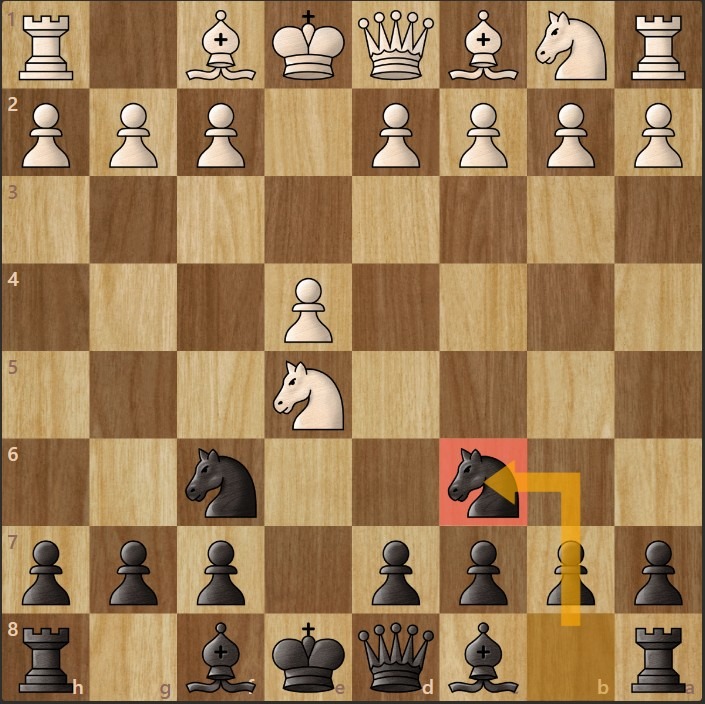
The Main Line: 3. …d6, 4. Nf3 Nxe4
If you prefer to play the Petrov Defense “as advertised” (i.e. solid and safe) then it is best to go with 3. …d6, 4. Nf3 Nxe4.
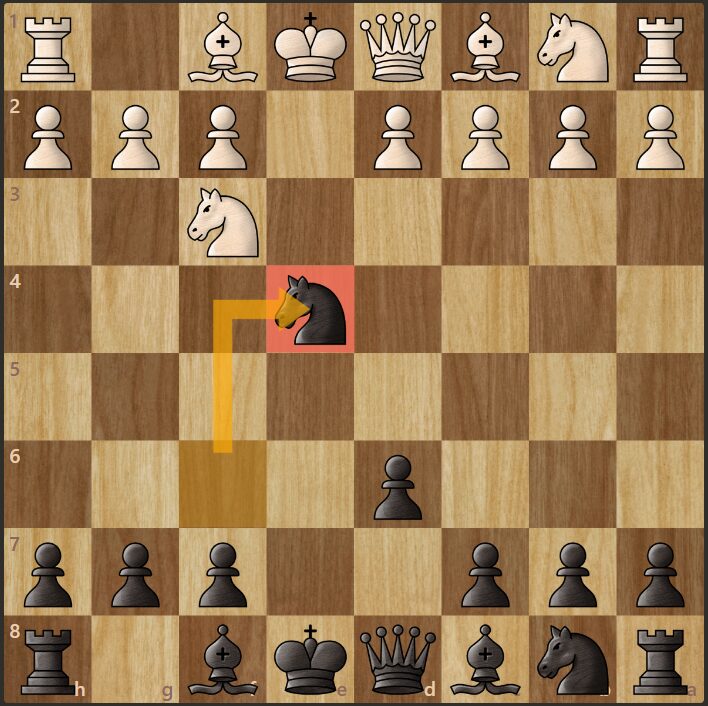
The difference is, by playing 3. …d6 to chase away the White knight first, White is a bit less active once Black captures on e4 to regain the pawn. We could consider this the key “starting point” of the Petrov Defense. There have been thousands of games played at master level that began this way.
Those with a sharp eye will notice the symmetrical pawn structure. Both sides have lost their e-pawns. This single open file is also seen in the Exchange Variation of the French Defense.
Let us now take a look at some further ideas in the Petrov Defense, based on an instructive game from the 2018 World Chess Championship.
Model Game: Carlsen-Caruana, 2018 World Championship, Game 6
In this heavyweight bout between two of the biggest names in modern chess, we got to see the power of the Petrov on full display. To set the scene: all five games that preceded this one had been drawn. As the match approached the halfway mark, Magnus Carlsen, the defending champion, was looking to make the most of playing with the advantage of the White pieces.
Fabiano Caruana, the challenger, had the Black Pieces. Caruana is one of the world’s leading experts on the Petrov Defense. Interested readers would profit from studying more of Caruana’s games to observe how he is able to effortlessly equalize with Black and then squeeze for an advantage.
Related: Learn from America’s leading grandmaster: Fabiano Caruana - 60 Memorable Games.
The early part of the game saw a familiar motif in the Petrov Defense: both players looking to dominate the open e-file. White played Qe2, and Black responded with …Qe7. This combination often leads to an early queen trade, and this game was no exception. Here we see the position after Black’s 7th move, with the two queens about to leave the board momentarily.
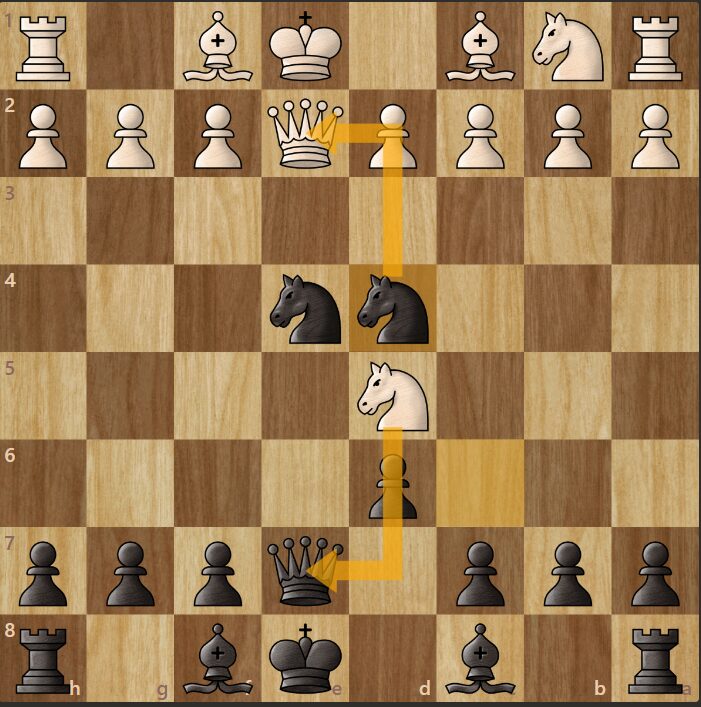
Once the queens were traded, both sides developed sensibly. After 14 moves, Black has absolutely no problems. Material is equal and the pawn structure remains symmetrical. This is Black’s first objective in the Petrov.
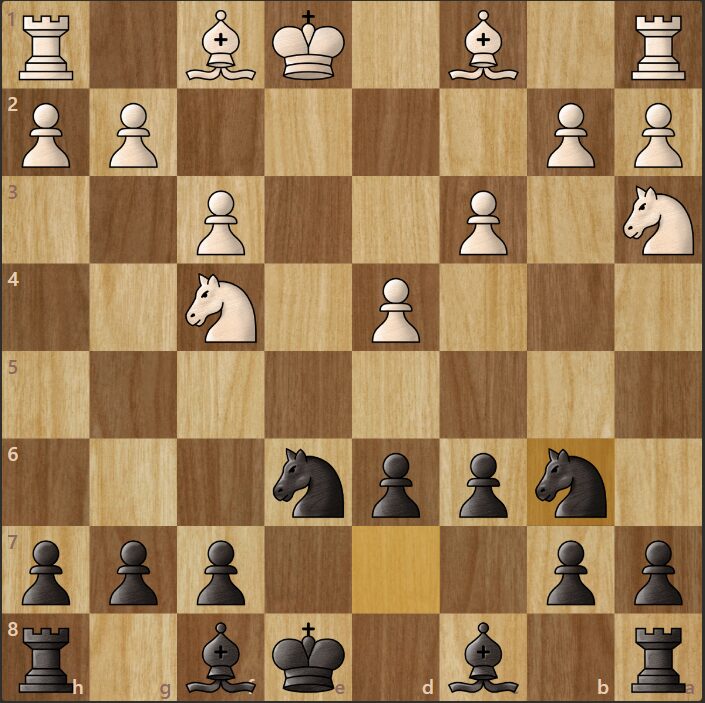
However, “equal” does not mean “drawn”! As one commentator about this game wrote: “Mistakes need to be made and explored in order to have a decisive result. And this can happen in any position.” There was still plenty to play out in this one.

The Burnt Dubrovnik Series Chess Pieces - 3.75" King

The Millennium ChessGenius Chess Computer
One of Black’s key decisions in the Petrov Defense is whether, and when, to play the freeing …c5 pawn break. This break can leave Black with an isolated d-pawn, but the improvement in piece activity can make this long-term weakness worthwhile. Caruana chose the perfect moment, with 21. …c5!
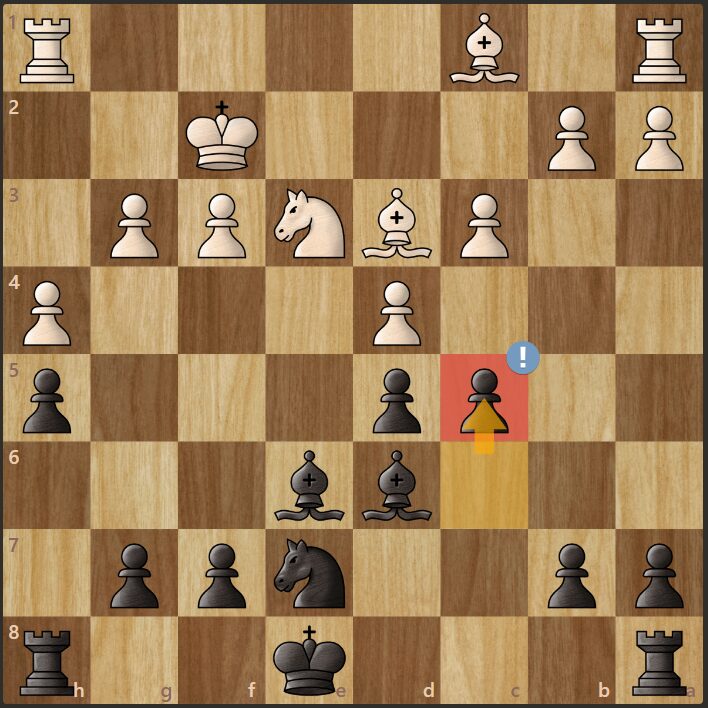
Carlsen could have captured via 22. dxc5, but in that case after 22. …Bxc5 the White king would have been in an uncomfortable position lined up against Black’s dark-squared bishop.
Black’s position slowly improved with Caruana successfully maneuvering his forces to target and then win White’s d4 pawn. After 41. …Bxd4, Black had a dangerous passed d-pawn.
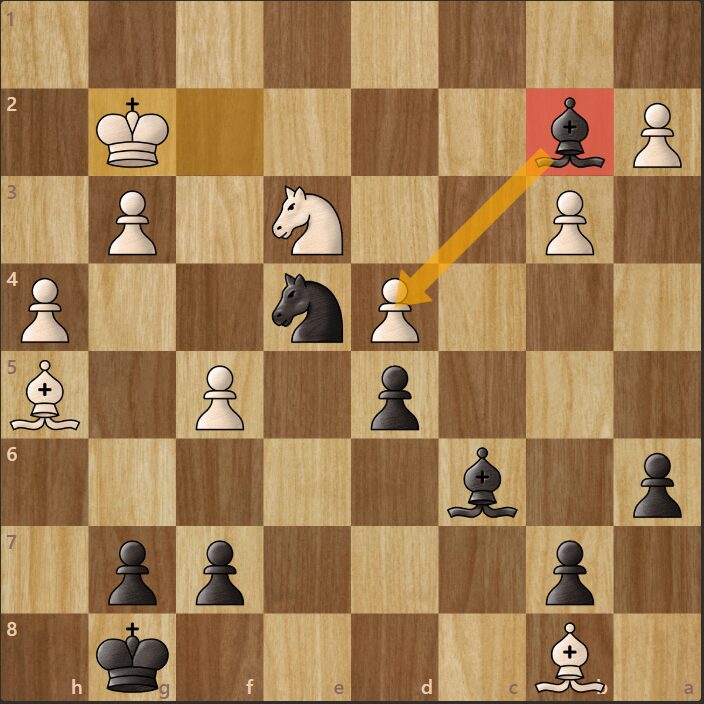
Most opponents would have cracked under the pressure, but Carlsen was able to find one of the few ideas to alleviate his suffering - sacrificing a piece for three of Caruana’s pawns.

Caruana still had winning chances in this difficult endgame, but Carlsen, one of the greatest endgame players of all time, was able to escape with a draw.
Despite the drawn result, the Petrov Defense was an unqualified success for Fabiano Caruana. Even the great Magnus Carlsen could not find any advantage against it with the White pieces.
Next Steps
This article has given you everything you need to start playing the Petrov Defense. Now it’s over to you! Give it a try in online chess. This will give you a feeling for what White tends to do most of the time, and which lines deserve more of your attention. Remember to analyze your games after you finish playing them to identify mistakes and opportunities for improvement.
However, if you want to take up the Petrov Defense more seriously, then it would pay to do some extra study before playing it in high-stakes tournament games. Towards that end, we have a book recommendation for you: The Modernized Petrov’s Defense by Milos Pavlovic.

This book presents a complete repertoire for Black after 1. e4 e5, 2. Nf3. Beginning with 2. …Nf6, you will learn how to respond to all of White’s major tries, including what to do if White castles kingside or queenside, or if (like in the Carlsen-Caruana game shown above) you find yourself in a queenless middlegame early on.


Studying this book will give you a reliable opening to play. The Petrov Defense can also be ambitious. It is not just for playing for a draw - there is plenty of scope to use it to play for a win!
Summary: Is The Petrov Defense Right For You?
The Petrov Defense could be worth adding to your opening repertoire if you:
- Favor a solid start to the game with the Black pieces. The Petrov Defense offers a calm start to the game where Black can equalize comfortably and then, with that platform established, gradually start playing for the advantage.
- Prefer to avoid copious opening memorization. The moves in the Petrov Defense are fairly intuitive and easy to remember. If you want to spend less time on memorizing opening moves, then the Petrov Defense could be the perfect choice.
- Can outplay your opponents positionally. The Petrov Defense eschews immediate tactical fireworks, and instead provides a position that will suit the player with superior chess understanding. If positional chess strategy is one of your strengths, then the Petrov is an excellent option to begin the game.
Does that sound like a chess opening for Black that you would enjoy?
If so, then learn to start out solidly with the Petrov Defense today!
Frequently Asked Questions
Yes, the Petrov Defense is a highly respected chess opening for Black. It is played at all levels, including among grandmasters. One notable event that the Petrov Defense featured prominently was the 2018 World Chess Championship between Magnus Carlsen and Fabiano Caruana. The Petrov Defense is also relatively easy for beginners to learn.
White can choose to play against the Petrov Defense in a couple of different ways. One way is to castle kingside - in which case the game will tend to be about long-term strategic maneuvering and control of the open e-file. Another way is to castle queenside, which is more aggressive and will probably feature opposite-side pawn storms.
The Petrov Defense begins 1. e4 e5, 2. Nf3 Nf6. Rather than defend their own pawn on e5, Black instead chooses to attack White’s pawn on e4. In the main line, the e-pawns are usually traded, and the resulting open e-file is a key battleground in the resulting middlegame.
The best way to learn the Petrov Defense is with the aid of the book: The Modernized Petrov’s Defense by Milos Pavlovic. It provides everything needed to play the Petrov Defense successfully with the Black pieces, including line-by-line recommendations and example games to further aid the reader’s understanding.