
The Solid And Dependable Colle System
The Colle System is one of the most solid chess openings for club players. With it, White can reliably reach a pleasant middlegame position without memorizing too much opening theory.
Some chess players are happy to spend hours committing screeds of opening lines to memory. But if you prefer to spend your time on other things, then the Colle System may be right for you. White plays the same first few moves almost irrespective of what Black does. This means that the game will be decided by which player has the superior middlegame prowess - not by who has memorized the most.
In this article, you will learn:
- The two main setups within the Colle System.
- A model game to illustrate how the game may progress.
- How to learn more about this dependable chess opening for White.

The Colle System - Introduction & Origins
The system is named after Edgard Colle, a Belgian chess master in the early 20th century. Colle was a six-time Belgian champion in the 1920’s and participated in numerous strong European tournaments during that era. His best tournament result was 1926 at Meran, where he finished ahead of Savielly Tartakower, Rudolf Spielmann, and Ernst Grünfeld.


The opening which bears his name sees White play the following moves:
- d4
- e3
- Nf3
- Bd3
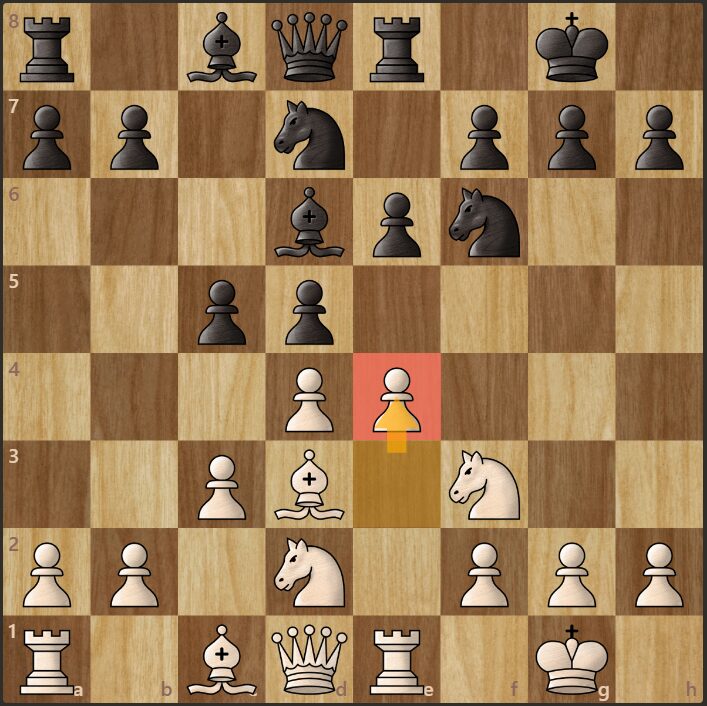
Depending on what Black does in reply, it may lead to a position such as that shown below.
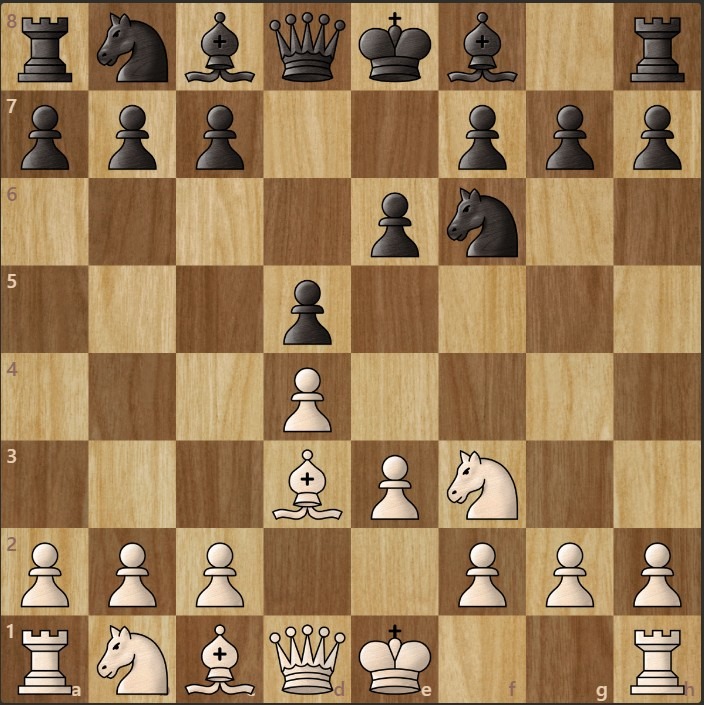
The reason that this opening is known as a “system” is because White plays the same first few moves almost no matter what Black does. This makes the Colle System particularly straightforward to learn.
From here, there are two main variations that White can go for:
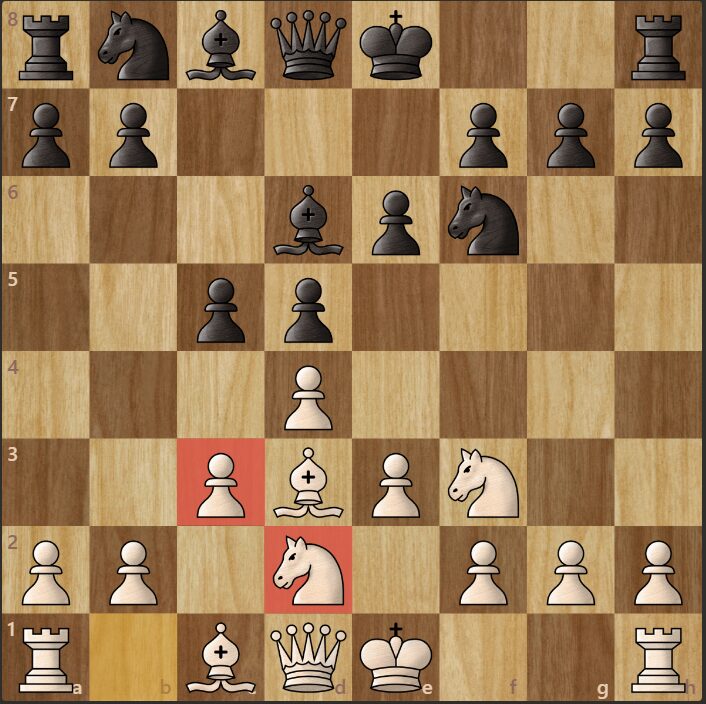
Variation 1: The Colle-Koltanowski System
This is the “traditional” approach, named in tandem with George Koltanowski. It sees White solidify the center via c3. Koltanowski was a countryman of Colle’s, as well as a friend. Koltanowski also wrote several books on the opening, and therefore contributed to our understanding of it.
White will also develop their queenside knight to d2. This helps support a future e4 pawn advance - which is White’s main middlegame pawn break in the Colle-Koltanowski System. In some cases, this can lead to an attack against the Black king.
Variation 2: The Colle-Zukertort System
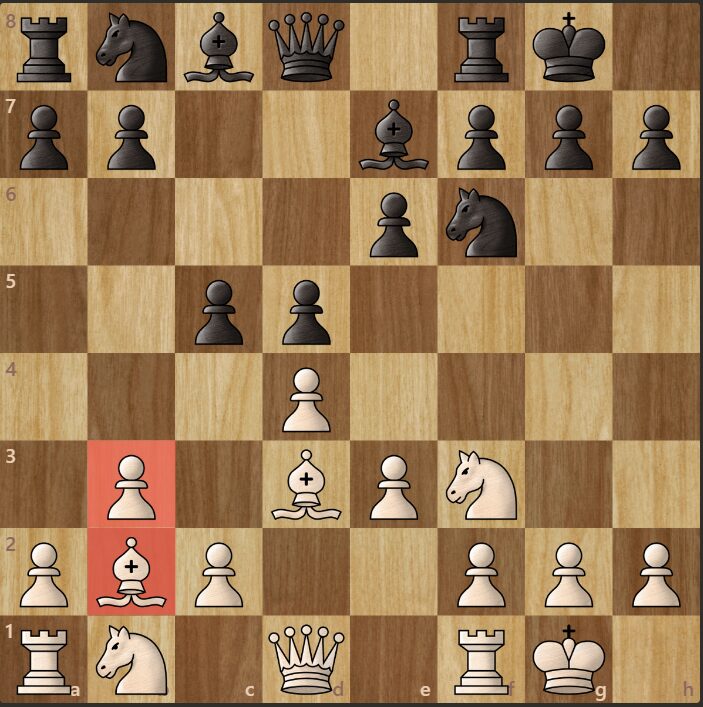
Alternatively, White may opt for a queenside fianchetto with b3 and Bb2. This is the Colle-Zukertort System, named after Johannes Zukertort - a Polish-British chess master who fought for the World Chess Championship against Wilhelm Steinitz in 1886.


This setup is more flexible. White must adapt to Black’s play, and it is less certain that White will go for the e4 pawn break. White may instead play a long-term positional chess game. The Colle-Zukertort System is more common among elite grandmasters today than the Colle-Koltanowski System.
Model Game: Colle vs. O’Hanlon, 1930
It is always a pleasure to feature a game which involves the player that the opening is named after! Here we get to see Edgard Colle play his opening against an accomplished Irish player named John O’Hanlon.
Although it has a reputation for being “solid”, this encounter demonstrates that it can also lead to a barnstorming kingside attack if Black is not careful!
Having got his king safely castled, Colle played the thematic pawn advance: 9. e4. Faced with the threat of 10. e5 (forking two of Black’s pieces), O’Hanlon captured 9. …dxe4, after which Colle recaptured 10. Nxe4.

A few moves later, Black captured in the center again via 11. …cxd4. But then, Colle sprung a surprise! Instead of recapturing on d4, Colle unleashed a Greek Gift sacrifice with 12. Bxh7+!
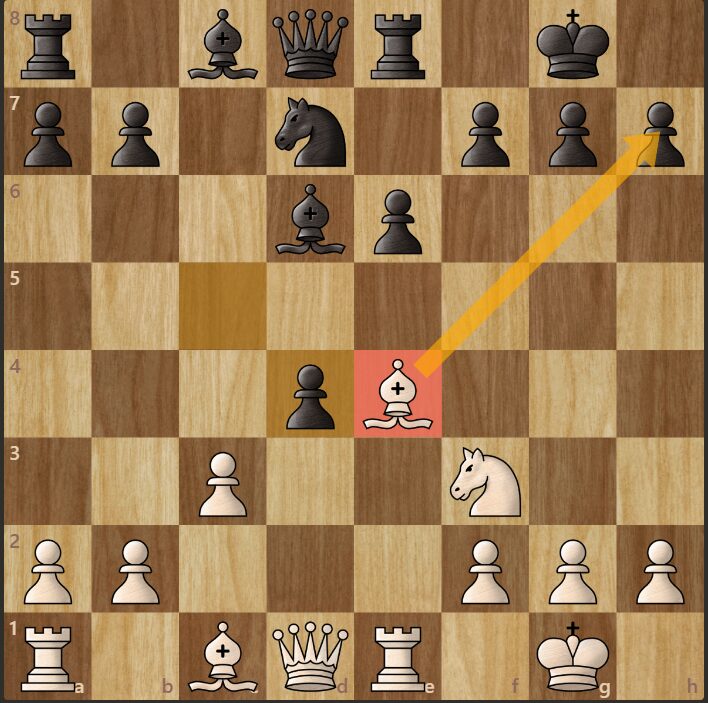
This sacrifice is a thematic idea for White in the Colle-Koltanowski System, and is well worth keeping in mind when Black does not have a knight on f6 (as was the case in this game).


O’Hanlon had little choice but to accept the sacrifice via 12. …Kxh7 if he didn’t want to be down a pawn. Colle followed with 13. Ng5+, whereupon O’Hanlon made the decisive mistake by choosing to step out with his king with 13. …Kg6?? Instead of going back via 13. …Kg8. However, even with 13. …Kg8, Black would have faced a difficult defensive task. The move 14. Qh5 would have been tough to meet.
A few moves later, Colle played yet another stunning sacrifice: 15. Rxe6+!!
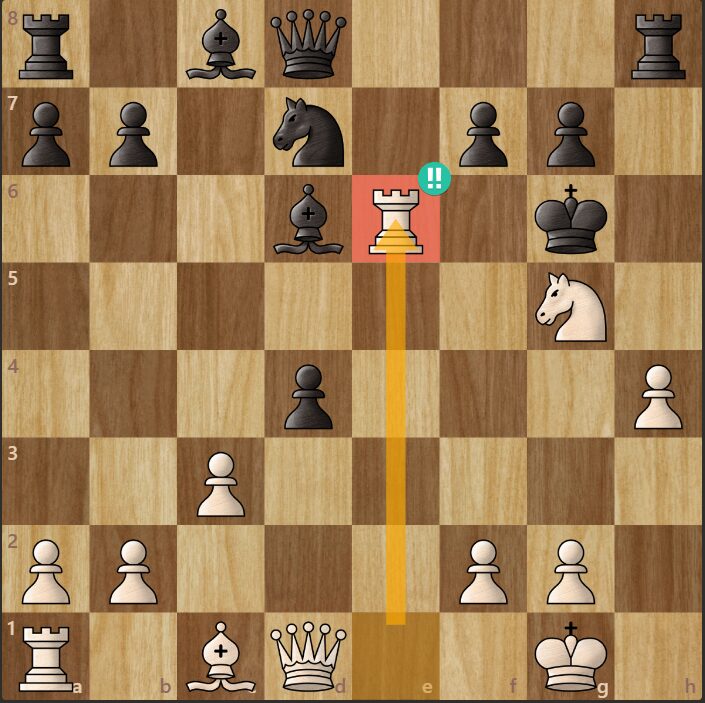
Fire on the board! The point is that if the rook is taken, it leads to forced checkmate. One continuation is 15. …fxe6, 16. Qd3+ Kf6, 17. Qf3+ Kg6, 18. Qf7+ with mate to follow.


O’Hanlon instead blocked the check with his knight via 15. …Nf6, but by now the writing was on the wall. After 16. h5+ Kh6, there were too many tactics in the air for Black to be able to survive. Colle went for 17. Rxd6 (if 17. …Qxd6, 18. Nxf7+ would have won the Black queen) and O’Hanlon soon resigned.
Click here to see the full game.
Next Steps
This article has provided everything you need to start playing the Colle System.
From here, you should try it out in online blitz chess to gain some first-hand experience with it. Save a folder of your games and take note of how Black plays against the Colle System. In this way, you will get to grips with the main ideas you are likely to encounter at your level.
However, if you want to master the Colle System and play it in serious competition, you would be wise to further your education. That is why we have a further recommendation to help take your understanding of the Colle System to the next level: The Menacing Colle & Zukertort System For The Club Player! from International Master Robert Ris.

Over the course of 5 hours 41 minutes of expert instruction, you will learn both the Colle-Koltanowski System and the Colle-Zukertort System. Several instructive model games help you play the Colle System with maximum success!
Summary: Is The Colle System Right For You?
The Colle System could be a fine addition to your White opening repertoire if you:
- Want a simple-to-learn opening: Because White plays the same first few moves against no matter what Black plays, the Colle System is very easy to get started with. No need to memorize lines 10 or 15 moves deep!
- Can be flexible in your approach: The Colle-Zukertort System is more positional in nature. If you like to outplay your opponents slowly with positional chess, then you will be in your element with this opening.
- Enjoy having attacking chances: As we saw in the game Colle vs. O’Hanlon, 1930, White can get an attack against the Black king, particularly in the Colle-Koltanowski System. It is always more fun to attack than to defend!
Does that sound like a chess opening for White that you would enjoy?
If so, then get started with the solid and dependable Colle System today!
Frequently Asked Questions
Yes, the Colle System is an excellent opening choice for White, especially at club level. The same first few moves can be played against almost any setup that Black goes for. This means that White can avoid the sharpest theoretical lines of openings such as the Nimzo-Indian Defense, Grünfeld Defense, and King’s Indian Defense.
The Colle System is a chess opening where White plays d4, e3, Nf3 and Bd3. Then, White can go for c3 and Nbd2 to play the Colle-Koltanowkski System, or opt for b3 followed by Bb2 if White wants to play the Colle-Zukertort System. In both variations, White will castle kingside.
Magnus Carlsen has been known to play the System in serious competition, including in his 2016 World Championship match against Karjakin. Ding Liren also essayed it in his 2023 World Championship match against Nepomniatchi. Vladimir Kramnik is another former World Chess Champion who has employed it in classical games on numerous occasions.
The main difference between the London System and the Colle System is the placement of White’s dark-squared bishop. The London System sees White play an early Bf4 in order to develop the dark-squared bishop outside of the pawn chain before playing e3. By contrast, in the Colle System White plays e3 with the dark-squared bishop still on its starting square.
The best way to learn it is with the aid of the video training course from International Master Robert Ris: The Menacing Colle & Zukertort System For The Club Player! It covers both of White’s major options: The Colle-Koltanowkski System and the Colle-Zukertort System. It contains several instructive model games to teach you everything you need to know to play it successfully!